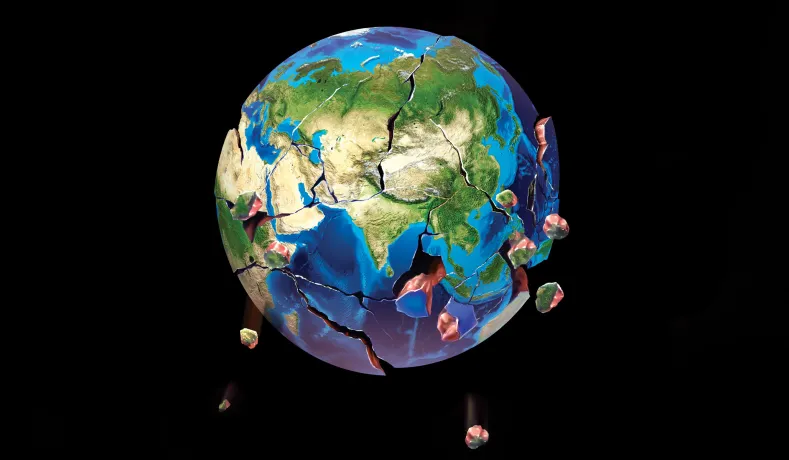
The World Meteorological Organization says record heat, warm oceans and a strong El Niño will carry weather extremes into next year.
Tamrah News Desk | November 9, 2026
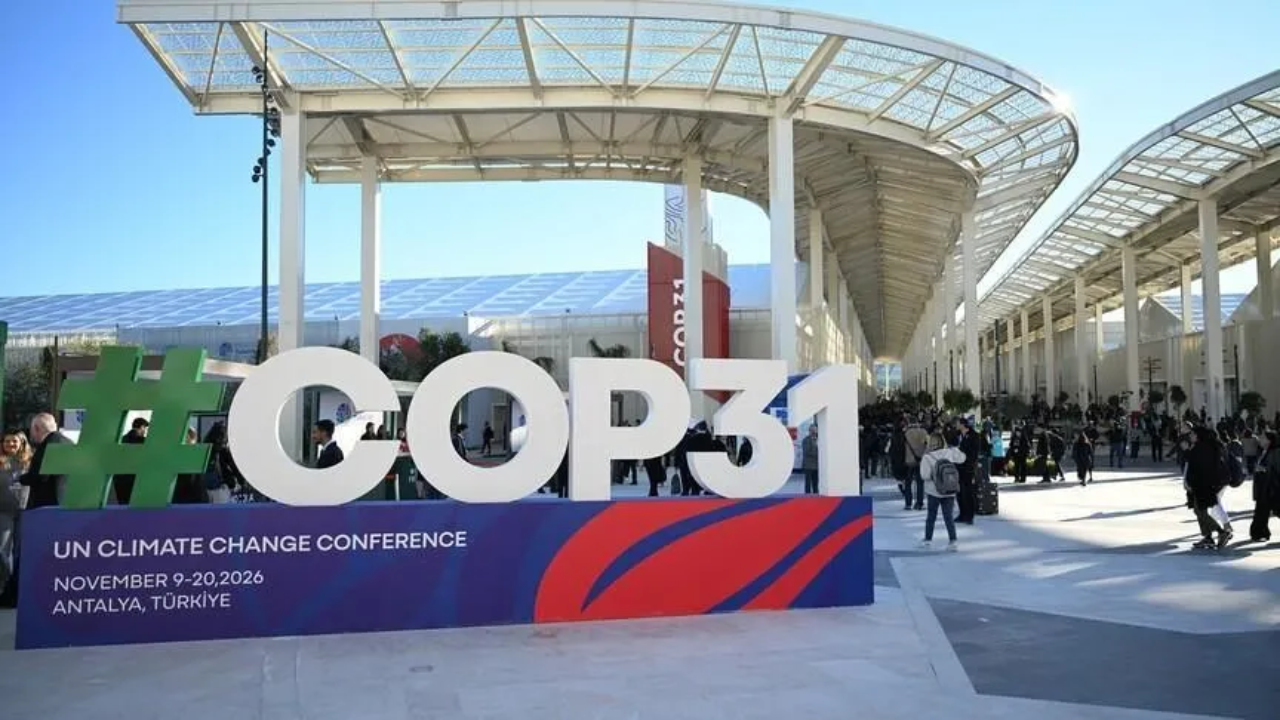
Climate extremes endured by the planet in 2026 will continue into next year, according to a new WMO report published on Monday as COP31 opened in Antalya, Turkey. CNN reported that the findings arrived as leaders prepared opening speeches at the UN climate conference. The report covers record global temperature, sea level rise and ocean heat, and the agency says a very strong El Niño will bring more extreme weather well into 2027.
Record Global Temperature in the WMO Report
The WMO State of the Climate Update 2026 found that each of the past 12 years was the warmest on record, and the last four years rank as the top four. Global temperature from January to September 2026 averaged about 1.47 degrees Celsius above the 1850 to 1900 level, the agency said. That is close to the full year figures for 2023 and 2025 and below the 2024 record of 1.55 degrees. The WMO said the final 2026 global temperature is likely to rise because of El Niño.
WMO Secretary General Celeste Saulo said the state of the climate in 2026
“gives new meaning to the phrase off the charts.”
CNN reported that UN Secretary General António Guterres said the world has entered
“a new age of climate extremes”
and linked a very strong El Niño to a planet already heated by human activity.
The WMO report also said greenhouse gases reached new records in 2025. Carbon dioxide stood at about 426.8 parts per million, which is 53 percent above the 1750 level.
Related topic: Zimbabwe El Nino Hunger Risk Grows as Farmers Told to Wait Before Planting
El Niño Pushes Climate Extremes Into 2027
According to the WMO, El Niño has been strengthening since August and is expected to be the strongest on record by December. It is forecast to continue into early 2027. The agency said El Niño typically raises annual global temperature by 0.1 to 0.2 degrees Celsius, with the biggest effect in the year after it develops.
Saulo said El Niño does not create new heat. It releases heat from an ocean that is the warmest ever measured. CNN reported that some scientists say 2027 could become the hottest year on record.
The WMO report said the World Health Organization has, for the first time, classified the expected health effects of this El Niño as a health emergency. The agency listed heat illness, wildfire smoke, hunger and diseases such as cholera, malaria and dengue among the risks.
Sea Level Rise, Ocean Heat and Melting Glaciers
Global mean sea level reached a record high in 2026, according to the WMO. June, July and August recorded the highest values since satellite measurements began in 1993. Sea level rise is driven by melting glaciers and ice sheets and by the expansion of warming water, the agency said.
The ocean absorbs about 90 percent of excess heat, and 2026 is on track to be the tenth year in a row of record ocean warmth, the WMO said. Glaciers lost more than 400 gigatons of ice in 2025, enough to fill five Olympic pools every second. Arctic sea ice recorded its lowest or second lowest annual maximum, while Antarctic sea ice had its third lowest.
Human Cost of Extreme Weather
The WMO cited preliminary estimates of more than 30,000 excess deaths from European heatwaves, drought and wildfires, with national temperature records in at least eight countries. An estimated 146.5 million people in India were exposed to extreme heat in an April heatwave. A Himalayan glacier collapse and flash flood in late August killed more than 1,300 people in Nepal, the agency said.
There was some better news. The number of countries reporting early warning systems for several hazards rose from 56 in 2015 to 136 in 2025, according to the report.
Will COP31 Deliver Action on Climate Extremes?
COP31 opened with an early dispute over climate finance, according to AFP reporting carried by Arab News. AFP said the opening ceremony began about an hour and a half late without explanation, and that Guterres urged leaders to “get serious” about cutting emissions.
AFP reported that Turkey presides over the summit while Australia leads negotiations under an arrangement that settled a hosting dispute. Turkish Minute said the United States has not sent administration officials. Observers expect few major breakthroughs, AFP reported, as countries deal with an oil price shock and geopolitical tensions. Spanish outlet Meteored said the conference runs from 9 to 20 November.
What Happens Next
The WMO will publish its final State of the Global Climate 2026 report in March 2027. The current update uses data up to September 2026, so it does not reflect the latest El Niño impacts, the agency said.
Conclusion
The WMO report shows record global temperature, sea level rise and ocean heat building together, with El Niño expected to add pressure into 2027. As COP31 continues in Antalya, the State of the Climate 2026 findings give negotiators a clear set of data on climate extremes. Readers searching for the WMO report, COP31, El Niño, global temperature and sea level rise can follow Tamrah News for updates.