Before the worldwide pandemic, humanity lived in a totally different psychological state. It was a state of normal consciousness where any emergency, public health crisis, or severe political clashes sparked real panic, genuine attention, and collective action. People knew the difference between normalcy and the ER room until the shocking emergence of COVID-19. Immediately after COVID erupted, humanity plunged into an unseen state of social distancing, fear, and a dark wilderness for an entire year and beyond. Since the pandemic lasted for years instead of weeks, we experienced a dramatic shift in human psychology. The extended period of approaching danger and constant threat signals eventually pushed our built-in panic response to the edge. The fear that triggered a sense of immediacy to take precautions could no longer sustain itself over time. Instead of staying on high alert, our brain got used to dealing with high alerts, and it boiled down to no alert at all.
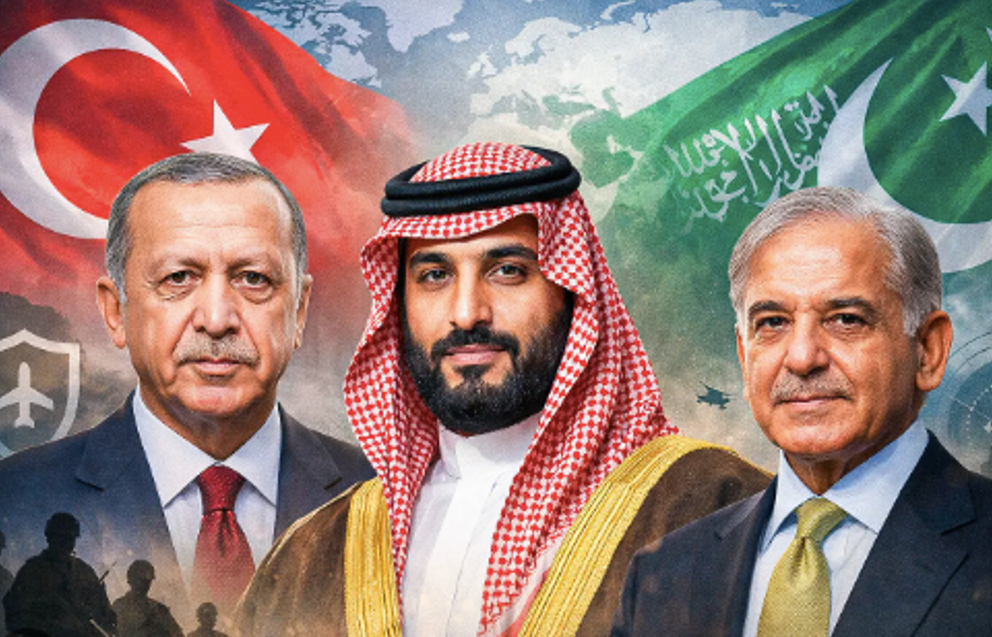
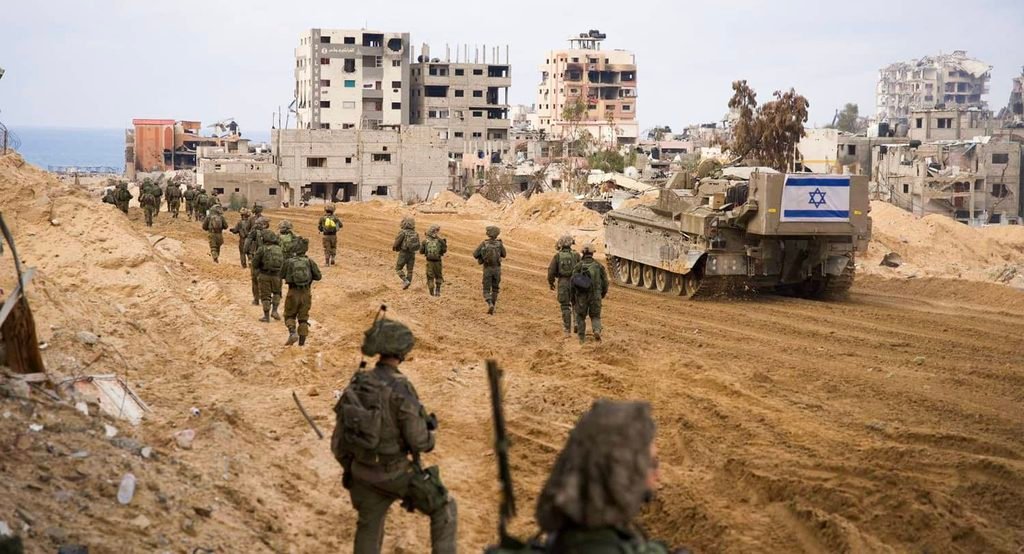
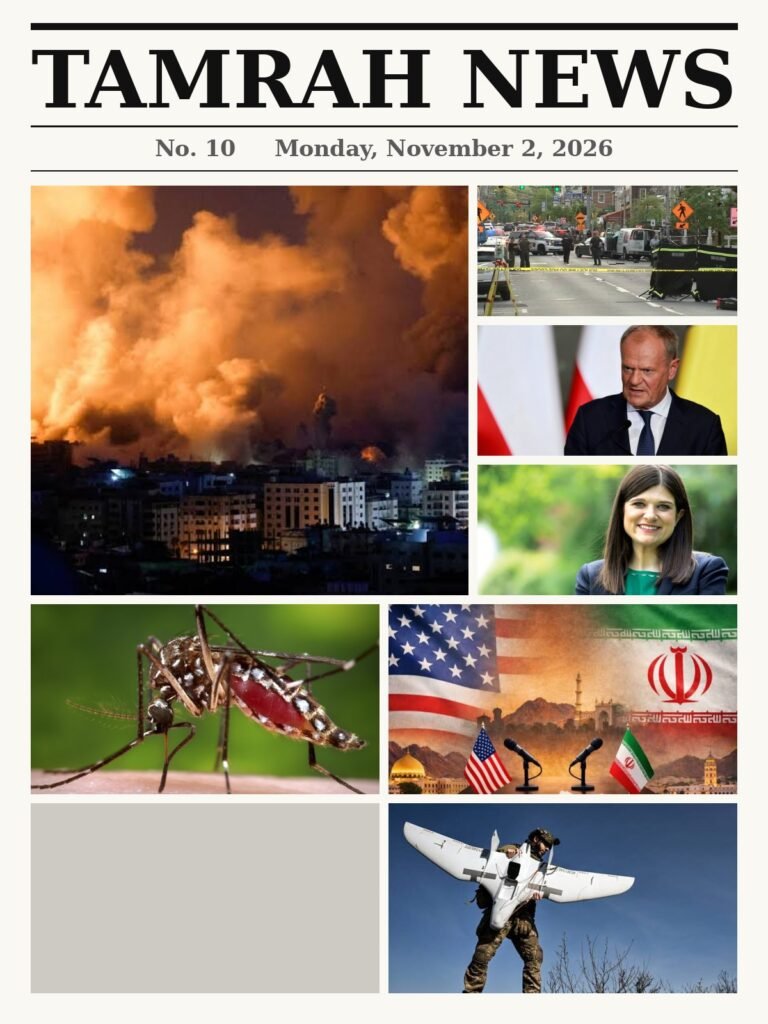
Rather than moving on to a time of planetary healing and recovery following the pandemic, the world was catapulted directly into an onrushing tsunami of geopolitical and economic turmoil. Existing frictions and border conflicts, namely the fast-escalating conflict between India and Pakistan, among a few other hot spots, started to resurface with even greater intensity. However, in a post-pandemic world, the world’s population was already working through its limit of being afraid. As the Middle East conflict intensified, with the terrible and persistent destruction in Palestine, so too did we witness this acute erosion of collective empathy and urgency. Month after month, harrowing images and horrific stories of human tragedy filled our social media timelines and news channels. At first, communities all across the world responded with collective outrage and despair. But as the brutality persisted and became a daily new normal, most people were facing compassion fatigue; we were experiencing the normalizing of the intolerable. This cycle of desensitization persisted as a rapid succession of international events unfolded. US and Iran policies: The growth of global tensions led to rising military and economic threats between Iran and the United States, significant disruptions in energy markets, record-high inflation, and increasing oil crises that buffeted nations around the world. It was at this point that people realized chaos was no longer a freak event. It was the new normal. Such sustained apathy is no less alarming for Generation Z and younger populations. Younger generation who have only known decades of historic upheaval have lived their entire lives in a state of crisis. Where older generations have known six decades of geopolitical and economic stagnation, Generation Z knows only global chaos. They have grown up in a hyper-connected digital world and have seen headlines and updates from across the globe, round the clock.
Above all of this sits a level of chaos unexperienced in the economic and technological realm. The exponential development of AI and automation has thrown so many careers into disarray, as young people face uncertain futures in an unpredictable job market and the looming prospect of financial instability. With climate issues, economic insecurity, technological upheaval, and the potential for global confrontation all looming, the response of younger generations has been one of measured disengagement: it’s too difficult to care when everything is so uncertain.
So what we’re witnessing is this onslaught of change at an unprecedented rate and scale over such a short period of time, this seemingly unavoidable human response of a collective defense mechanism: psychological desensitization.
When crisis ceases to be an oddity and becomes a way of life, we humans learn to no longer respond at the brink of the cliff. We just settle in and get comfortable on the edge.