A new research platform enables scientists to grow miniature versions of a patient’s own tumour and continuously monitor how those organoids react to different therapies. The system integrates three-dimensional bioprinting with high-resolution imaging and artificial-intelligence analysis to follow drug responses at the level of single organoids rather than averaged cell populations.By capturing detailed growth changes over time, the technology can distinguish which specific organoids respond to a given drug and which do not. This level of resolution offers a clearer picture of tumour heterogeneity and may help clinicians select treatments more precisely matched to an individual patient’s cancer.Early tests using both established cell lines and patient-derived samples demonstrated the platform’s ability to measure treatment effects accurately. The approach could shorten the time required to identify promising candidates for further clinical development while supporting more tailored therapeutic decisions.Further validation will determine how quickly the method can move from research laboratories into broader clinical use.
AI Platform Accelerates Identification of Promising Cancer Therapies Using Patient Organoids
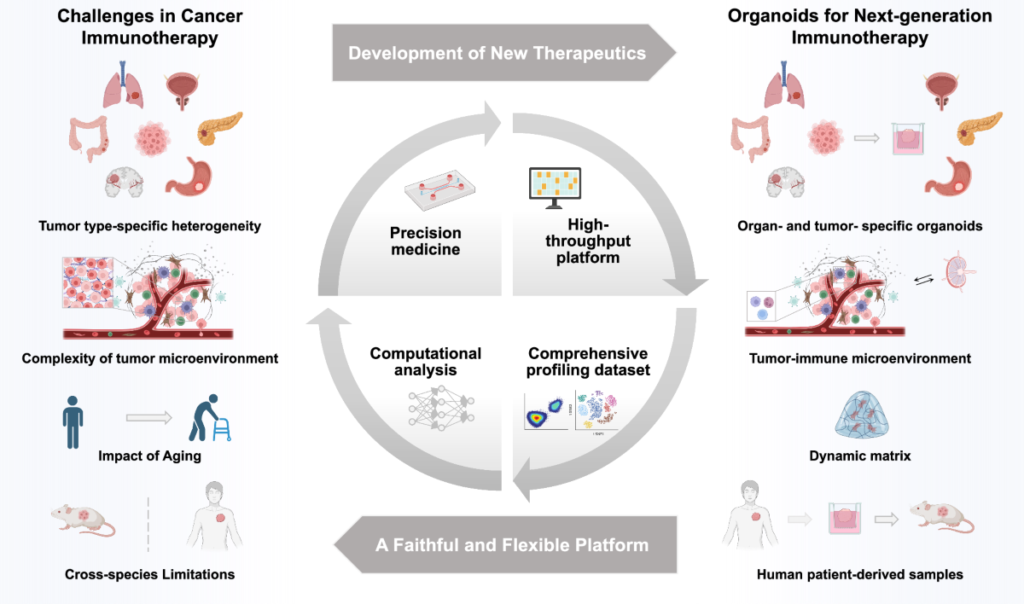
Researchers have developed a new system that combines 3D bioprinting, advanced imaging and artificial intelligence to track how individual tumour organoids respond to drugs in real time, potentially speeding the path to more personalised cancer treatments.