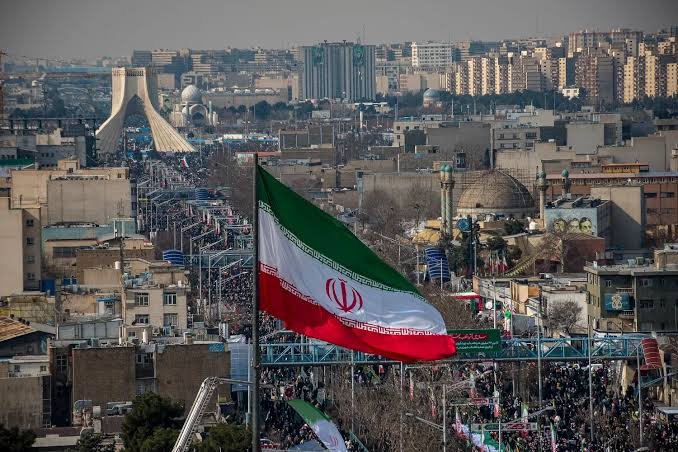
Iranian officials have reiterated in recent statements that any meaningful dialogue with Western counterparts must begin with the lifting of sanctions, the cessation of military threats, and the removal of what they describe as an economic and logistical blockade. These preconditions have been presented as non-negotiable starting points rather than subjects for gradual negotiation. Enrichment activities, according to official accounts from Tehran, continue under full national control and in line with what the government regards as its sovereign rights.
Regional mediation efforts have so far produced only limited public progress. Intermediaries from neighbouring and more distant countries have sought to narrow differences and create space for direct or indirect talks. While some channels remain open, the gap between stated positions on both sides has proven difficult to bridge. Public messaging continues to emphasise principles and red lines more than incremental steps toward compromise.
The interaction between nuclear issues, regional security activity and broader great-power competition continues to shape the strategic environment surrounding Iran. Decisions taken in one domain quickly influence calculations in the others. Advances or setbacks in enrichment capacity affect threat perceptions. Regional proxy dynamics and maritime incidents feed into assessments of intent. The involvement of external powers adds further layers of complexity, as competing interests and rivalries play out across multiple theatres.
Sanctions remain a central point of contention. Iranian authorities argue that the cumulative effect of restrictions has inflicted significant hardship on the civilian population and constrained legitimate economic activity. They maintain that relief must precede any substantive discussion of nuclear restraints. Western governments, for their part, have generally linked sanctions relief to verifiable changes in nuclear behaviour and, in some cases, to adjustments in regional conduct. This sequencing dispute has become one of the most persistent obstacles to progress.
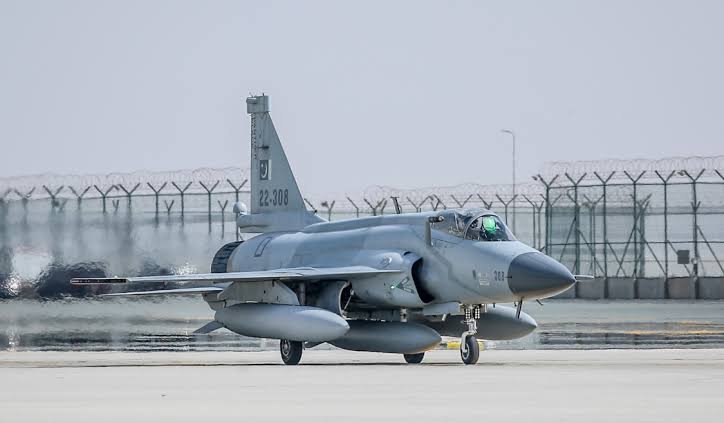
Military signalling continues on both sides. Force posture adjustments, exercises and public statements about readiness form part of a broader pattern of deterrence and counter-deterrence. Iranian officials have repeatedly warned that further escalation would meet a firm response, including potential targeting of critical infrastructure. Such statements serve both domestic and international audiences, reinforcing a narrative of resilience while seeking to raise the perceived costs of confrontation.
Enrichment levels and the pace of technical advances remain subjects of close international attention. Official Iranian accounts stress that all activities fall within national prerogatives and are conducted under domestic oversight. Outside assessments often focus on timelines, breakout capacity and the implications for regional security balances. The divergence in interpretation contributes to mutual suspicion and complicates efforts to establish common ground.
Regional actors watch these developments with particular intensity. Neighbouring states assess the implications for their own security, energy markets and diplomatic alignments. Some pursue quiet diplomacy aimed at reducing tensions. Others strengthen their defensive capabilities or deepen partnerships with external powers. The cumulative effect is a more crowded and sensitive strategic landscape in which miscalculation carries higher potential costs.
Great-power competition adds another dimension. Rivalries among major external actors influence the incentives and constraints facing Iranian decision-makers. Support, pressure, or indifference from different capitals can tilt the balance between confrontation and engagement. At the same time, the nuclear issue itself has become one of several flashpoints through which larger strategic contests are conducted.
Diplomatic efforts continue in the background even as public positions harden. Technical discussions, indirect messages and occasional high-level contacts suggest that neither side has entirely closed the door on negotiation. Yet the distance between opening demands and acceptable outcomes remains substantial. Bridging that distance would require movement on sequencing, verification arrangements and the broader regional context.
For the time being, the strategic environment is defined by parallel tracks of pressure and limited engagement. Enrichment continues. Sanctions remain in place. Military postures are adjusted. Mediation yields incremental or private results at best. The interplay of these elements will continue to determine whether the path ahead leads toward managed competition, renewed crisis, or a narrow opening for diplomacy. Background reporting on related developments can be found at https://www.tamranews.com/.