Australia’s flagship pumped-hydro project, Snowy Hydro 2.0, faces a new and substantial cost increase, with the latest reassessment putting the target figure at 22.2 billion Australian dollars and a contingency scenario reaching 25 billion dollars. The revised numbers represent roughly twelve times the original estimate announced less than a decade ago and mark the most serious financial setback yet for the scheme.
The updated assessment also pushes the expected full commissioning date to late 2029, a further delay for a project already years behind its initial schedule. Officials attribute the higher costs and extended timeline to significant geological challenges encountered during tunnelling, construction-sector pressures and the inherent complexity of building a large underground power station in difficult terrain.
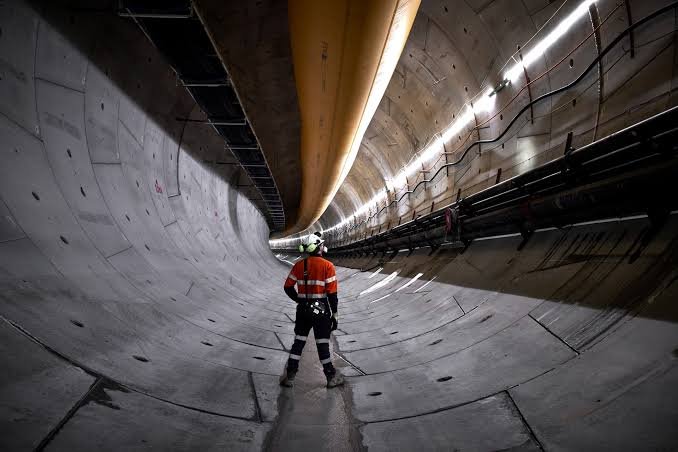
Machine tunnelling is reported to be around 65 percent complete and cavern excavation approximately 90 percent complete, indicating that substantial physical progress has been made even as costs have continued to climb. Project managers have emphasised strengthened oversight and productivity measures in an effort to contain further overruns.
The cost escalation has intensified political debate in Canberra. Opposition figures have criticised the management of the project and called for greater accountability, while the government has restated its commitment to completing the scheme, describing it as essential for long-term energy security and the transition away from coal-fired generation.
Snowy 2.0 is designed to add 2,000 megawatts of generation and large-scale storage capacity to the national electricity market. Proponents argue that its long asset life will ultimately deliver substantial benefits in price stability and system reliability. Critics counter that repeated blowouts raise serious questions about the planning and governance of major public infrastructure.
The latest figures arrive at a time when Australia continues to balance the competing demands of energy reliability, emissions reduction and fiscal responsibility. How the government manages the remaining construction phase and any additional funding requirements will be closely watched by both the energy sector and taxpayers.