
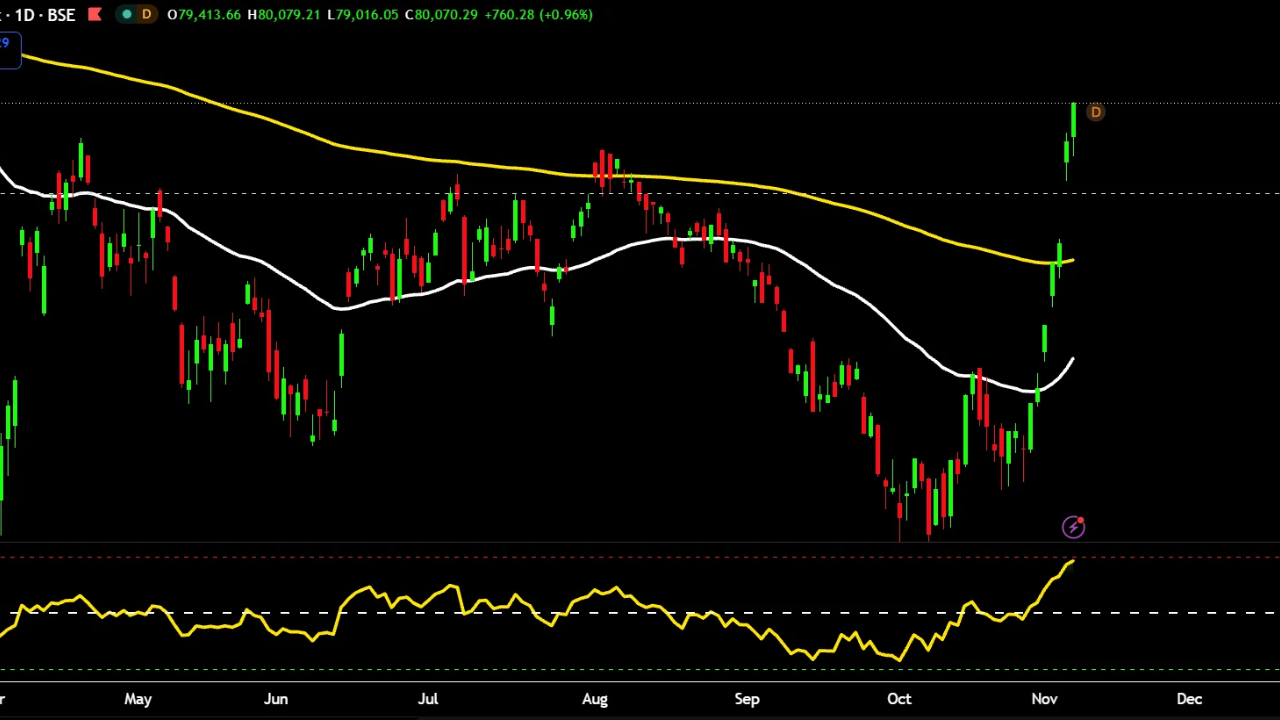
Technology and chip shares led steep losses across Seoul, Tokyo and Taipei on Friday after the Nasdaq fell 5.5% on fears that Democratic gains could slow the AI data center boom.
Tamrah News Desk | November 6, 2026
Asian stock markets plunge on Friday after a technology selloff on Wall Street, led by semiconductor stocks, spread to Seoul, Tokyo and Taipei, and South Korea halted trading in its main market for 20 minutes. According to Reuters, investors fear that Democrats, who made strong gains in this week’s midterm elections, will increase scrutiny of artificial intelligence and slow the build out of AI data centers.
Asian Stock Markets Plunge as KOSPI Triggers a Trading Halt
The KOSPI fell more than 8% within minutes of the open in Seoul. Invezz reported that the exchange suspended trading three minutes after the opening bell. BigGo Finance, citing the Korea Exchange, said a Level 1 circuit breaker began at 9:03 a.m. and that a separate sell side breaker was triggered on the KOSDAQ market. Under exchange rules, an 8% drop that lasts one minute stops trading in KOSPI shares and related derivatives for 20 minutes, according to Invezz.
Nikkei Asia said the KOSPI fell 8.7% at one point. Reuters reported the index was down about 7% after trading resumed. The National said the index recovered some losses after the KOSPI trading halt ended. By the close, the KOSPI and Japan’s Nikkei 225 had both lost 6%, while Taiwan’s Taiex ended 4.5% lower, CNN reported. TRT World added that the Taiex had fallen more than 8% earlier in the session.
Nikkei Plunge Pulls Tokyo Below 60,000
TRT World reported that the Nikkei closed down 6% at 57,434.77, its steepest daily decline since April 2025. The Nikkei plunge took the index below 60,000 for the first time since mid May, according to Asia Times. The report named Kioxia, SoftBank Group and Advantest among the companies tied to AI that fell hardest. The National said semiconductor stocks across the region came under heavy selling, including Samsung Electronics, SK Hynix and Taiwan Semiconductor Manufacturing Company.
Why Are Asian Stock Markets Falling Today?
Reuters said the AI stock selloff reflects fear of tighter regulation and a slowdown in AI spending. Asia Times reported that voters this week approved, or are on track to approve, at least 33 local ballot measures that would ban, pause or limit data centers. It also cited Amit Daryanani, an analyst at Evercore ISI, who said a stricter environment could create more negative sentiment toward companies exposed to AI infrastructure. CNN noted that Asian technology firms have been supported by strong demand for the chips and components used to build AI data centers.
Wall Street Selloff Drives Nasdaq Correction
CNN reported that the Nasdaq Composite fell 5.52% on Thursday, its worst day since April 2025, and closed in correction territory, more than 10% below its October 6 record. The Nasdaq 100 dropped 6.36%, its worst day since March 2020, CNN said. According to BigGo Finance, the S&P 500 lost 4.36%, the Dow Jones Industrial Average fell 3.44% and the Philadelphia Semiconductor Index dropped 12.25%.
The Nasdaq correction followed a strong Wednesday, when the Dow rose 1,569 points after the midterms, CNN said. Shares of semiconductor stocks and AI data center companies were already falling beneath the surface that day. CNN put the loss in US market value at about $2.5 trillion, while Reuters said $3 trillion was wiped off S&P 500 companies. Reuters also reported that Wall Street’s volatility gauge soared.
Chipmakers and SoftBank Take the Heaviest Losses
Among semiconductor stocks, Samsung Electronics fell nearly 10% and SK Hynix slid 11.7%, Reuters said, while SoftBank Group dropped 11%. The cost of insuring SoftBank against default rose to its highest in four years, Reuters added. Fox Business, citing Reuters, reported that Taiwan Semiconductor Manufacturing Company declined 8.5% during the session. NBC News said Friday’s drop erased nearly half of the KOSPI’s gains since its June peak. The index is still up nearly 25% this year, according to NBC News.
Tel Aviv Stock Exchange Also Falls
The selloff also reached Israel. Investing.com reported that the TA 35 index lost 3.69% at Thursday’s close in Tel Aviv, hitting a new six month low, with 389 stocks falling and 80 rising. Camtek fell 8.63% to a 52 week low, according to Investing.com. Data from the Tel Aviv Stock Exchange show the benchmark closing at 3,823.18 points.
Investors Move to Bonds as Global Markets React
Reuters said the rout in global technology stocks deepened as investors moved toward the safety of bonds. CNN reported that European stocks also fell on Friday. Readers following AI developments closer to home can read Tamrah News coverage of Dubai’s Create AI Agents Championship.
Conclusion
The sharp fall shows how closely Asia’s chipmakers depend on US demand for AI infrastructure. The KOSPI crash today, the Nikkei plunge, the Nasdaq correction and heavy losses in semiconductor stocks all trace back to concern about AI data centers. Readers can follow further coverage of the AI stock selloff, the KOSPI trading halt and the wider Wall Street selloff as this story develops.