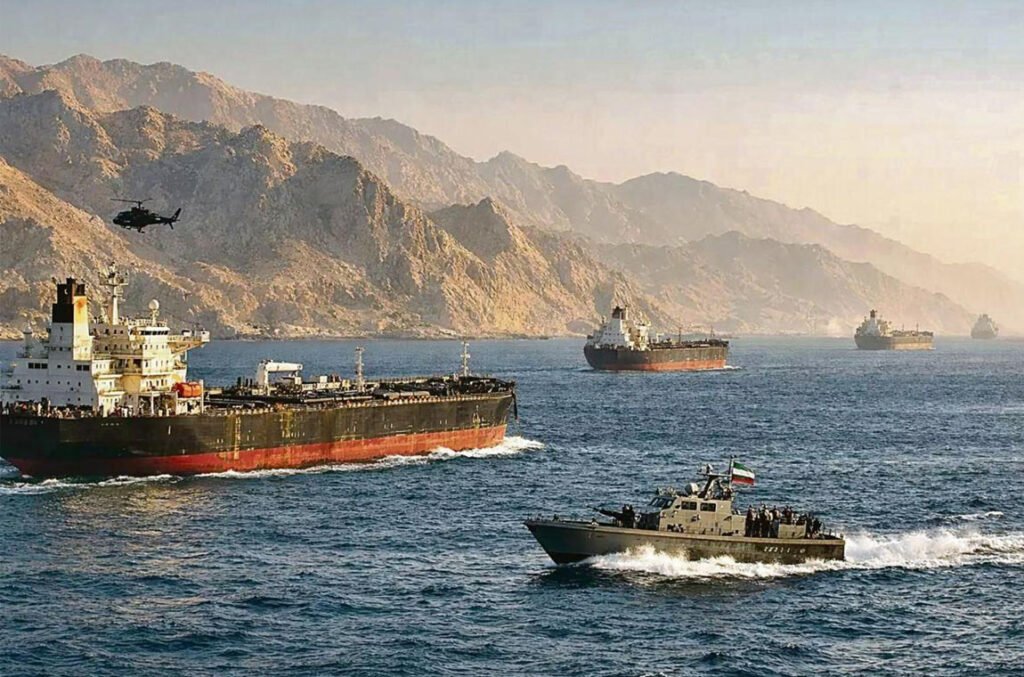
Brent crude oil surged past $116 a barrel as markets reacted to mounting threats in the Strait of Hormuz and wider Middle East energy infrastructure.
The international benchmark settled at its highest level in months after Iran’s Revolutionary Guard repeated claims that mega tankers had struck naval mines while attempting unauthorized passages. Although independent maritime agencies have not confirmed the specific mine strikes, the cumulative effect of attacks, warnings, and restricted transit has kept a heavy risk premium in the market.
West Texas Intermediate also climbed sharply, pushing above $103 a barrel. Traders are pricing the possibility of further disruption to one of the world’s most critical oil chokepoints. The Strait of Hormuz normally carries a large share of global seaborne crude. Even partial restrictions or higher insurance and freight costs translate quickly into higher prices at the pump and for industry.
Recent Houthi attacks on Saudi targets and an oil spill reported off the UAE coast added to the sense of escalating danger. Shipping companies continue to operate under heightened alerts. Some vessels have altered routes or reduced speed, while war-risk insurance rates remain elevated. The combination has reduced the effective volume of oil moving freely through the region compared with pre-crisis levels.
For ordinary consumers the impact is already visible. National average gasoline prices in the United States have moved significantly higher than a year earlier. Airlines, trucking firms, and manufacturers that rely on diesel face rising operating costs that are passed on through ticket prices, delivery fees, and finished goods. Emerging economies that import most of their energy are especially exposed to the current spike.
Analysts note that physical exports from the Gulf have partially recovered in recent weeks, yet the market is focused on the downside risk of a sudden new shutdown or wider conflict. Some forecasts have raised the possibility of Brent testing $120 if attacks intensify or if major producers are forced to further curtail loadings.
Governments are monitoring the situation closely. Strategic petroleum reserve releases and diplomatic efforts to keep shipping lanes open remain options, but the immediate price signal is clear. The longer the Hormuz risk premium stays elevated, the greater the pressure on inflation and household budgets worldwide.
The current rally closes a week of solid gains for crude and refined products. Energy traders will continue to watch Iranian statements, maritime incident reports, and any signs of military escalation for the next move in prices. For now the message from the market is straightforward: the Strait of Hormuz crisis is still very much alive and it is already hitting wallets.