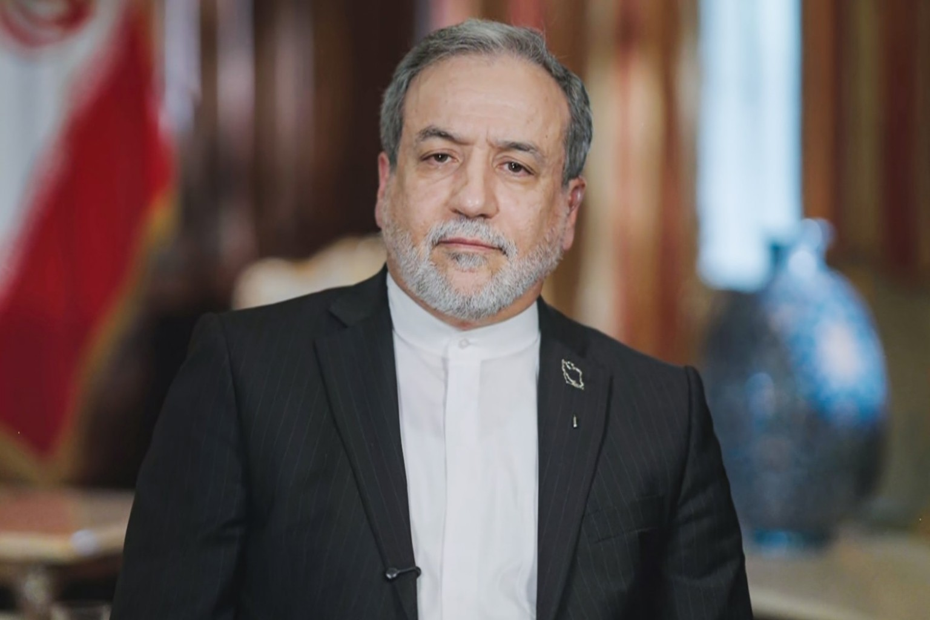
Iranian Foreign Minister Abbas Araghchi says Tehran is prepared for a possible resumption of fighting with the United States while keeping diplomacy open over the Strait of Hormuz, frozen assets and oil exports
Iranian Foreign Minister Abbas Araghchi said Tehran is prepared for fighting to resume with the United States while stressing that diplomacy has not been abandoned. His comments came after U.S. President Donald Trump publicly rejected Iran’s latest proposal concerning the Strait of Hormuz, a critical route for global oil shipping.
Speaking on Sunday, Sept. 27, Araghchi said Iran was “fully prepared” for the possibility that the conflict could resume, while also saying that Tehran remained ready for diplomacy. He said the choice was ultimately up to President Trump and described Iran as prepared to respond to any new aggression.
Iran had proposed reopening the Strait of Hormuz and restoring normal maritime passage within seven days as part of a broader plan conveyed to the United States through Qatar during the United Nations General Assembly in New York. Trump said he had rejected the proposal, arguing that Iran wanted the strait reopened immediately because it was suffering major losses.
Araghchi said Iran had not yet received an official rejection through the mediators, despite Trump’s public comments. He also reaffirmed that Tehran was prepared to reopen the strait as part of an agreement aimed at ending the conflict. In return, he said Iran wanted its frozen assets released and wanted the ability to sell its oil.
Araghchi described those conditions as consistent with commitments discussed in a memorandum of understanding signed in June that outlined plans for a temporary ceasefire. According to the NBC report, that arrangement collapsed within days after further strikes were exchanged.
The Iranian foreign minister said he was continuing diplomatic efforts because he did not want an opportunity for peace to be missed. At the same time, he said Iran was prepared for the possibility of renewed conflict.
U.S. Ambassador to the United Nations Mike Waltz said the latest Iranian proposal had been rejected for several reasons. He argued that Washington could not accept a plan that would give Iran access to billions of dollars in frozen funds and questioned whether previous commitments had been upheld.
The dispute also centers on the Strait of Hormuz, through which a significant amount of global energy trade passes. Any prolonged disruption could have wider consequences for shipping and energy markets, making the diplomatic and military developments important beyond the immediate U.S.-Iran dispute.
Iran’s Islamic Revolutionary Guard Corps separately claimed to have captured a U.S. Remus 600 unmanned underwater vehicle. Reports have also focused on the possibility of renewed U.S. bombing after the U.S. midterm elections. These claims and reports remain part of the broader conflict narrative and should be distinguished from independently verified developments.
Araghchi’s comments therefore present two positions at once: Iran says it is prepared for renewed fighting while maintaining that diplomacy remains possible. The United States has rejected the latest proposal publicly, while Iranian officials say the diplomatic channel has not been formally closed. Further negotiations, official communications through mediators and developments around the Strait of Hormuz will determine whether the two sides move toward another agreement or a renewed escalation.
The statements described above contain positions and claims from Iranian and U.S. officials, as well as reporting by the report and a separate report. The phrase “doomsday war” is Araghchi’s characterization of a possible renewed conflict, not an independent assessment of what a future war would entail. Reports about possible renewed U.S. strikes and military incidents should be treated according to their stated sources and the information available at the time of publication.
Article by
Ayesha Shafaqat