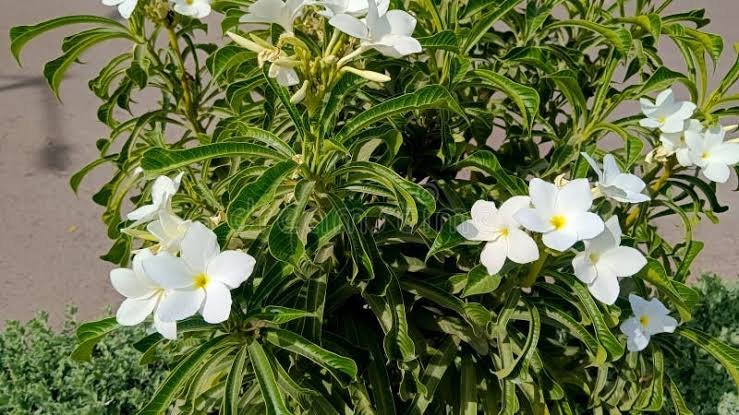
Nag Champa is one of the most recognisable incense fragrances in the world yet its name and composition are often misunderstood. The term combines two elements drawn from Sanskrit and South Indian tradition. “Nag” refers to the naga, the serpent deities of Hindu and Buddhist cosmology. These beings are regarded as guardians of both material and spiritual treasures. “Champa” points to the champaka flower, Magnolia champaca, a golden blossom long associated with temples and sacred spaces across the Indian subcontinent.
The flower itself has been valued for centuries. Its rich, honeyed and slightly fruity scent appears in ancient texts and temple gardens. Women in southern India traditionally wove the blossoms into their hair. Temples planted the trees for their fragrance and for ritual offerings. The Sanskrit root of the word is said to suggest the capacity to gladden the heart, a quality that made the flower a natural choice for devotional practice.
The modern incense known as Nag Champa is not a simple floral extract. It is a masala blend in which the champaka note is layered over sandalwood and bound with a soft tree resin called halmaddi, taken from the Ailanthus tree. Authentic versions are hand-rolled rather than dipped in synthetic oils. The result is a warm, resinous and slightly sweet aroma that builds gradually rather than dominating a room.
The commercial formula most people encounter today took shape in the 1960s in Bangalore. A family workshop linked to the Satya Sai Baba tradition developed the blend that later travelled the world in its distinctive packaging. Travellers on the overland routes of the late 1960s and 1970s carried the sticks back to Europe and North America. Yoga studios, meditation centres and private homes adopted the scent, and it became a familiar marker of contemplative practice far from its place of origin.
In traditional use the smoke serves a practical and symbolic purpose. It is offered during puja and meditation as one element in a sequence of gifts to the divine. The rising fragrance is understood to purify the space and to mark a threshold between ordinary and sacred time. Contemporary practitioners often light a stick to signal the beginning of quiet sitting or yoga, allowing the consistent scent to become an associative cue for focus and calm.
Not every stick sold under the name contains the same materials. Halmaddi has grown scarce and costly, leading many commercial versions to rely on synthetic substitutes that produce a thinner or sharper profile. Discerning users compare the depth and lingering quality of the smoke when seeking an authentic expression of the original blend.
The dual meaning of the name continues to shape its cultural resonance. The serpent association places the fragrance within a mythology of protection and hidden knowledge. The flower association keeps it grounded in the living botanical tradition of South Asia. Together they create an incense that functions both as everyday atmosphere and as a quiet reminder of older ritual practices.
Today Nag Champa appears in candles, soaps, oils and sticks across continents. Its popularity rests on a combination of distinctive scent, historical associations and the simple practical value of a fragrance that settles a room without overwhelming it. Understanding the meaning of the name returns the product to its origins in flower, resin, serpent symbolism and the long-standing Indian art of blending incense for both devotion and daily life.