Iran Expands Target List to Encompass United States Diplomats Across the Region Amid Escalation Fears
Intelligence assessments indicate Iran has broadened its operational focus to include American diplomatic personnel throughout the Middle East and beyond. Officials describe lethal plotting efforts as having reached advanced stages. The development coincides with reduced staffing at multiple United States missions and heightened regional tensions.
Read full story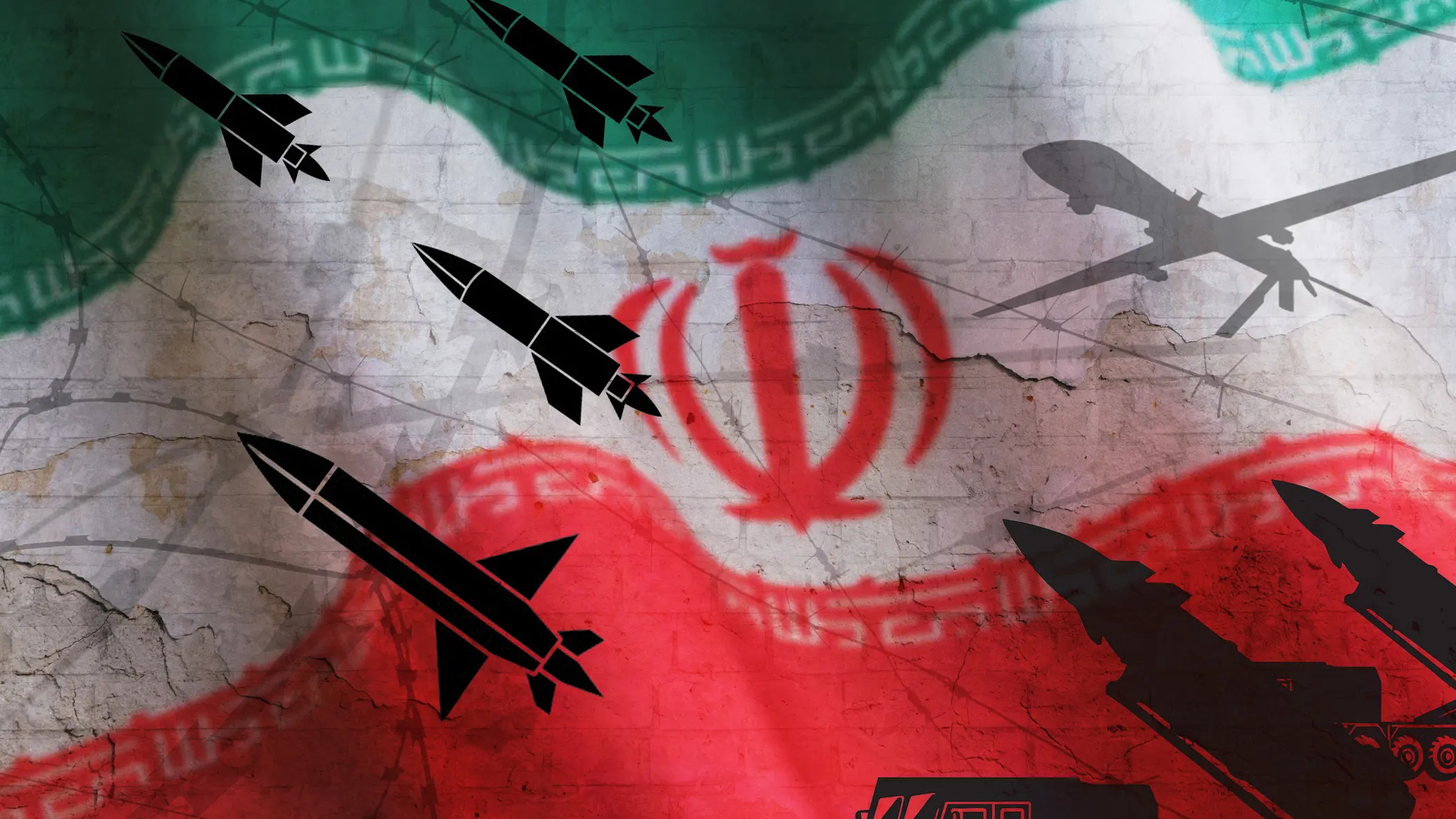
Iran Expands Target List to Encompass United States Diplomats Across the Region Amid Escalation Fears
Intelligence assessments indicate Iran has broadened its operational focus to include American diplomatic personnel throughout the Middle East and beyond. Officials describe lethal plotting efforts as having reached advanced stages. The development coincides with reduced staffing at multiple United States missions and heightened regional tensions.
TAMRAH NEWS has obtained exclusive confirmation of a significant shift in Iranian strategic calculations concerning American personnel. According to assessments circulating among senior intelligence and diplomatic channels, Tehran has expanded its target list to place United States diplomats and associated government officials across the broader Middle East and certain additional countries under direct consideration. The expansion is framed within contingency planning for any renewed or intensified military escalation initiated by Washington.
The core finding rests on multiple independent streams of intelligence indicating that lethal plotting efforts directed against American citizens and officials have progressed to advanced stages. These efforts are not confined to one theatre. They encompass locations in the Middle East as well as selected sites outside the immediate region. The assessment underscores that the volume and sophistication of Iranian activity have increased substantially in recent weeks, prompting urgent internal discussions within the United States government regarding force protection and diplomatic posture.
In response, the State Department has already ordered the departure of non-emergency personnel and family members from key missions, most notably in Saudi Arabia, with parallel reductions planned or underway in Jordan, Lebanon, Qatar and the United Arab Emirates. These measures reflect a calculated effort to shrink the potential target set while maintaining essential diplomatic functions under restricted operational status. Officials familiar with the deliberations describe the decisions as prudent force-protection steps rather than a full withdrawal, yet they acknowledge the practical impact on American presence and influence in a region already strained by proxy conflicts and direct confrontations.
The Iranian expansion of its target list occurs against a backdrop of intermittent but intense exchanges. Earlier intelligence indicated Tehran was preparing a more forceful response should the United States resume large-scale strikes on Iranian territory. The current assessment elevates the risk calculus by identifying diplomatic personnel as deliberate priorities rather than incidental casualties. This distinction carries profound implications. Diplomats operate under long-standing norms of protected status; their deliberate inclusion signals a willingness to challenge those norms in pursuit of deterrence or retaliation.
Analysts reviewing the available material note that Iranian capabilities in this domain have matured over years of investment in proxy networks, cyber tools, surveillance tradecraft and targeted assassination infrastructure. Previous operations against dissidents, dual nationals and occasional foreign targets demonstrated both intent and technical competence. The present intelligence suggests those competencies are now being redirected and scaled toward a broader set of official American targets. The phrase “advanced stages” is understood to mean that operational planning has moved beyond conceptual discussion into concrete preparation involving surveillance, logistics and potential execution cells.
The geographic scope adds further complexity. While the Middle East remains the primary theatre, the reference to certain other countries implies that Iranian networks or partners in Europe, Latin America or Asia may be activated. This multi-theatre approach complicates defensive measures. Host-nation security services vary widely in capacity and political will. American missions must therefore balance transparency with operational security when sharing threat information, a challenge explicitly recognised in the internal memoranda circulating among senior officials.
Diplomatic consequences extend beyond immediate physical risk. A sustained Iranian campaign against American personnel would erode confidence among regional partners who rely on the United States security umbrella. Gulf states already navigating delicate relationships with both Washington and Tehran would face heightened pressure to recalibrate their own postures. European allies maintaining residual diplomatic engagement with Iran would confront difficult choices regarding intelligence sharing and sanctions coordination. The cumulative effect could accelerate a broader realignment already visible in energy markets, defence procurement and multilateral forums.
Within the United States system, the intelligence has triggered inter-agency reviews of protective protocols, travel restrictions and contingency evacuation plans. The Director of National Intelligence’s communication to the Secretary of State emphasised that certain analytic products are relevant to a wider circle of personnel than those currently cleared to receive them. Efforts are underway to downgrade and disseminate protective information without compromising sources and methods. This balancing act is familiar in high-threat environments yet carries particular urgency when the targets are career diplomats whose families and professional networks extend far beyond the embassy walls.
Critics of the administration’s broader Middle East policy argue that the expansion of Iranian targeting is a predictable consequence of earlier kinetic actions and the absence of sustained diplomatic off-ramps. Supporters counter that restraint in the face of Iranian aggression would only embolden further escalation. Both perspectives converge on one practical reality: American diplomatic presence in the region is now operating under a more acute and explicit threat environment than at any point in recent years.
Regional observers point to parallel developments involving Iranian-backed groups, including heightened Houthi activity in the Red Sea and residual militia operations in Iraq and Syria. These actors provide Tehran with deniable instruments while preserving the option of direct action. The intelligence picture does not isolate one pathway; it portrays a spectrum of options ranging from proxy harassment to direct targeting of named individuals. The inclusion of diplomats on the expanded list narrows that spectrum toward the higher end of the risk continuum.
For the diplomats themselves the human dimension is immediate. Career Foreign Service officers and specialists accept certain inherent risks when serving in high-threat posts. The knowledge that they have been deliberately elevated on an adversary’s target list alters the psychological and operational landscape. Spouses and children already living under restricted conditions face additional uncertainty. Local staff who support American missions, often for decades, confront their own calculations of loyalty and personal safety.
The coming weeks will test whether the intelligence assessment prompts further force posture adjustments or whether quiet diplomatic channels can lower the temperature. Tehran has not publicly confirmed the expansion of its target list, consistent with its practice of strategic ambiguity. Washington has limited its public comments to general warnings about Iranian threat activity while accelerating protective measures. The silence on both sides does not diminish the gravity of the underlying shift.
TAMRAH NEWS will continue to monitor developments as additional intelligence becomes available and as diplomatic missions adapt to the elevated threat environment. The expansion of Iran’s target list represents a qualitative change in the risk facing American personnel. It demands sustained attention from policymakers, intelligence professionals and the public that ultimately bears the consequences of decisions made in distant capitals.