Qatar’s deputy prime minister says Doha has kept talking to Tehran despite Iranian attacks on its territory and open differences over the regional conflict.
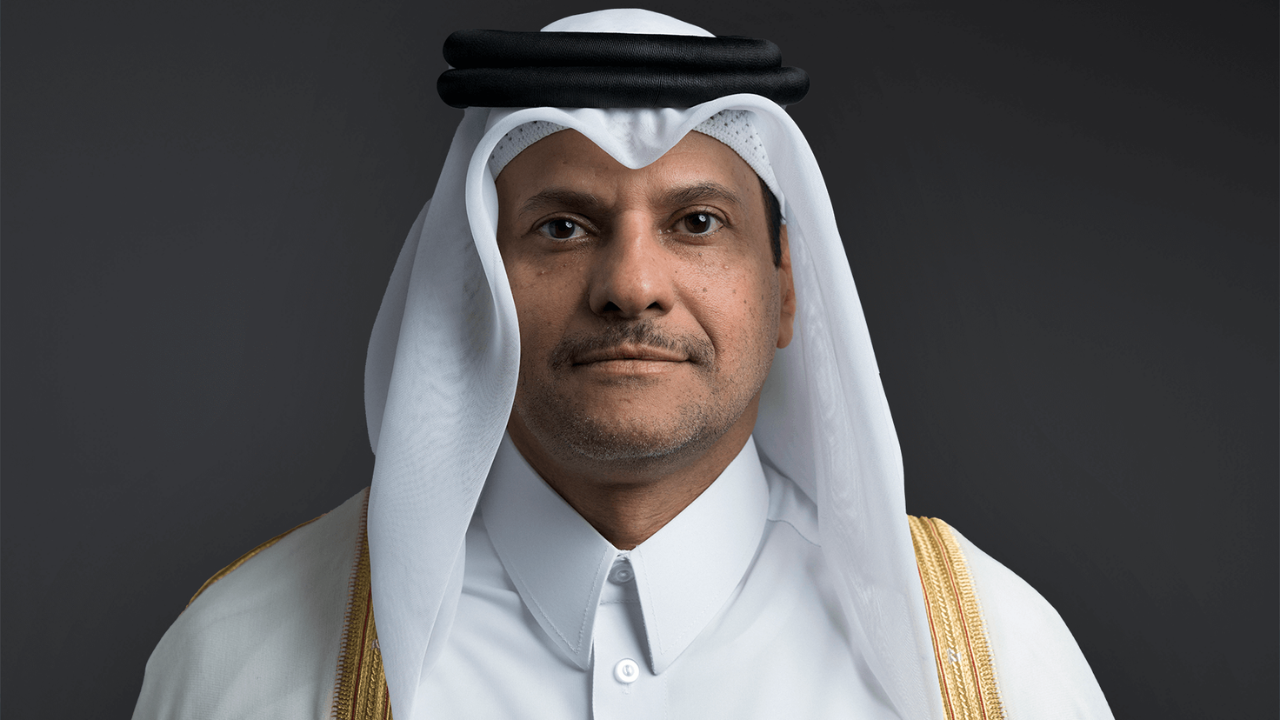
Qatar Iran communication channels remain open, according to Qatar deputy prime minister Sheikh Saoud bin Abdulrahman Al Thani, who said Doha has kept talking to Tehran despite attacks on its territory and differences over the regional conflict. The comments come as Qatar mediation between Washington and Tehran continues, more than seven months into the Iran war.
Qatar Iran Communication Channels Stay Open Despite Attacks
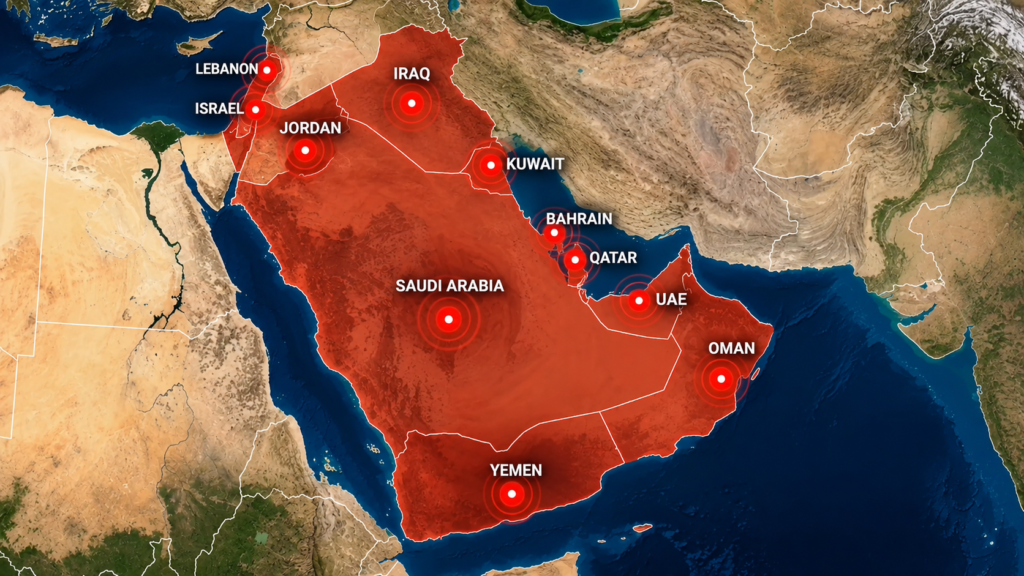
The position matches what Doha has said since the conflict began. The National reported that Iran answered US and Israeli air strikes in February by attacking all six Gulf states, and that Qatar kept its lines to Tehran open anyway. The Qatar Tribune reported that on June 29 Sheikh Saoud took a call from Iran’s acting defense minister, and the two discussed security developments in the region.
Who Is Sheikh Saoud bin Abdulrahman Al Thani
According to Qatar’s Government Communications Office, Sheikh Saoud bin Abdulrahman Al Thani was appointed deputy prime minister and minister of state for defense affairs in November 2024. The same profile says he served as chief of the Amiri Diwan from October 2020 to November 2024.
Iranian Attacks on Qatar and the Iran War
Iranian attacks on Qatar have been a central issue since the Iran war began. Qatar’s UN ambassador, Sheikha Alya Ahmed bin Saif Al Thani, told the Security Council that Doha condemns strikes on its sovereignty, the Qatar Tribune reported, citing the Qatar News Agency. She added that Qatar mediation between the United States and Iran continues and that Doha backs Pakistan’s efforts.
Majed al Ansari, an adviser to Qatar’s prime minister, told PBS NewsHour that 40 percent of attacks on Qatar hit energy facilities. PBS also cited a Reuters report that Qatar’s liquefied natural gas exports had fallen 96 percent since the war began.
Qatar Mediation and US Iran Talks
Qatar mediation has carried on alongside those attacks. Euronews reported on October 6 that foreign ministry official Ibrahim bin Sultan Al Hashmi said “I can confirm that the negotiations are ongoing,” and that Doha is open to a visit from the Iranian side. Euronews added that Emir Sheikh Tamim bin Hamad Al Thani met Iranian Interior Minister Eskandar Momeni in Doha that day.
Prime Minister Sheikh Mohammed bin Abdulrahman Al Thani said Qatar passes messages through Iran’s president, foreign minister and National Security Council, The Jerusalem Post reported. He told the paper
“Iran has been our neighbor and will remain our neighbor forever.”
In an interview with Bloomberg, he said
“Qatar is not a party of this war”
and that Doha is trying to convey messages between the parties.
Will Qatar Keep Its Channels to Tehran Open?
Qatari officials say contacts continue, and the US Iran talks remain active according to the foreign ministry. Differences are clear, however. Euronews reported that Al Hashmi called it too early to discuss Qatar joining the Mecca defense alliance of Saudi Arabia, Turkey and Pakistan. The Qatar Tribune said Qatar also reaffirmed its full solidarity with Saudi Arabia after attacks on the kingdom. Qatar Iran relations therefore combine open dialogue with public condemnation of Iranian strikes, and Qatar mediation remains central to wider Gulf security efforts.
Strait of Hormuz and Gulf Security
The Jerusalem Post reported that the prime minister named issues he believes should underpin an end to the Iran war, including a nuclear settlement acceptable to Washington and the International Atomic Energy Agency, and restoring the Strait of Hormuz to its prewar status. Euronews reported that Iran insists it controls the Strait of Hormuz, while Doha says it is working to restore freedom of navigation as part of US Iran talks. On Gulf security, Bloomberg reported that the prime minister said the region cannot continue as before without a framework bringing Gulf states and Iran together.
Read more on our Iran war coverage, Gulf security analysis and UN Calls for End to Iran War .
FAQs
What did the Qatar deputy prime minister say about Qatar Iran communication channels?
Sheikh Saoud bin Abdulrahman Al Thani said Qatar has kept communication channels with Iran open despite attacks on its territory and differences over the regional conflict.
Why does Qatar keep talking to Iran after Iranian attacks on Qatar?
Qatari officials describe Iran as a permanent neighbour and say dialogue supports Qatar mediation and de-escalation, while Doha still condemns the strikes.
Is Qatar mediation helping US Iran talks during the Iran war?
Qatar’s foreign ministry says negotiations are ongoing and messages are being exchanged, according to Euronews. No final agreement has been reported.
How do the Strait of Hormuz and Gulf security affect Qatar Iran relations?
Doha says it is working to restore freedom of navigation through the Strait of Hormuz, and the prime minister has called for a Gulf security framework that includes Iran.
Who is Sheikh Saoud bin Abdulrahman Al Thani?
He is Qatar’s deputy prime minister and minister of state for defence affairs, appointed in November 2024.
What happens next for Qatar Iran communication channels?
No timeline has been announced. Tamrah News will update this report as new statements are confirmed.