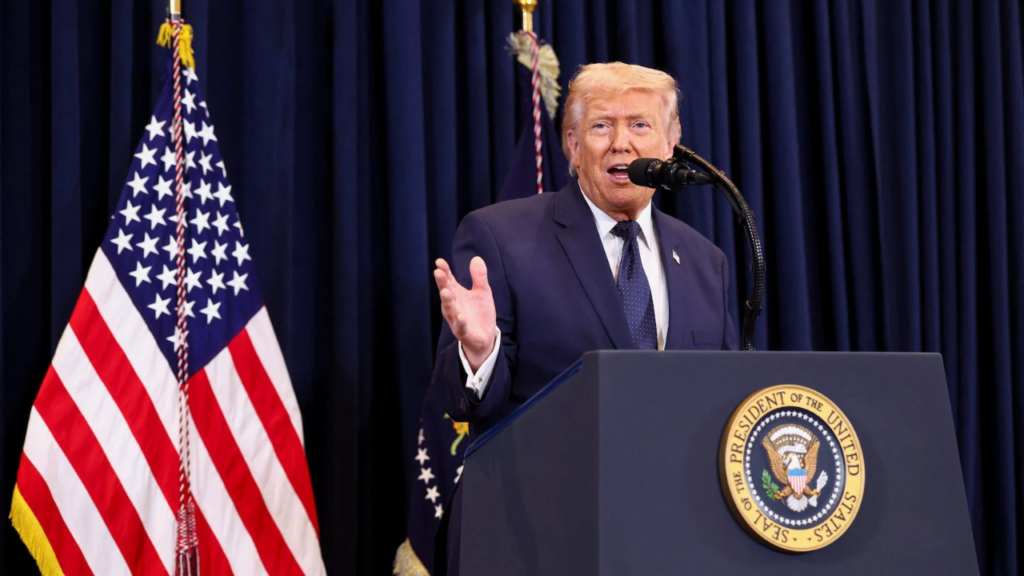
President Donald Trump has used an executive order to set aside sanctions, restrictions and duties on Russia, days before the penalties were due to begin.
Trump waives Russia sanctions and duties under the Lindsey O. Graham Sanctioning Russia and Iran Act of 2026, according to an executive order issued on Friday evening, October 16, that cites US national interest. The Hill reported that the order follows a diesel deal with Moscow announced last week.
What the Executive Order Says
According to the White House text, the executive order uses the waiver power in section 115(a) to set aside the duties in sections 112 and 113, along with the sanctions provision in section 102(d). The order adds that it does not affect sanctions already in force under earlier Russia related executive orders.
Reuters reported, in a version carried by The Tribune, that the waiver stays in place until Trump or his top officials decide that “further action is appropriate.” Reuters also reported that Trump sent Congress a certification saying the waiver serves the national interest, and that the law lets a president waive its measures by telling Congress they are not in the national interest.
Why Trump Waives Russia Sanctions Now
The Hill reported that the administration is trying to lower fuel prices, which have risen during the US war in Iran. Iran International reported that the administration temporarily lifted US sanctions on Russian fuel on October 9, and that Trump said Moscow would supply more than 300,000 metric tons, or 2.25 million barrels, of diesel to US and global markets. The Kyiv Independent reported that Trump said Russia agreed to the Russian diesel deal after a call with Vladimir Putin.
Reuters reported that analysts have warned the new measures could push oil prices higher, weeks before US midterm elections in which Republicans are defending narrow majorities in Congress.
What the Graham Act Would Have Done
According to Reuters, the law, backed mainly in Congress by the late Senator Lindsey Graham, is meant to raise pressure on Russia over the Ukraine war. It would have imposed tariffs of up to 100 per cent within 30 days on goods from the five largest importers of Russian oil or gas, including India and China. A version of the report credited to PTI said Congress passed the act on September 16 and Trump signed it two days later. The Kyiv Independent also described a 500 per cent duty on Russian goods that the order largely waives. The Trump Russia sanctions decision therefore changes how the law applies for now.
Reaction From Congress and Kyiv
Democratic Representative Don Beyer of Virginia said the move was a surrender to Putin that defies congressional intent, according to Reuters. The Kyiv Independent reported that Beyer urged Congress to fix what he called a flawed law, and that a US lawmaker introduced a bill on Friday to block the diesel deal. Iran International reported that a dozen senators, including several Republicans, urged Trump on Tuesday to rescind the deal and apply the sanctions authorized by the law.
Ukrainian President Volodymyr Zelensky warned on October 16 that the Russian diesel deal could lead to more sanctions relief for Moscow, saying “we cannot accept these agreements.” The Russia sanctions waiver has drawn attention in Kyiv as the Ukraine war continues.
Impact on India, China and Russian Oil Buyers
Reuters reported that China and India, two of the biggest buyers of Russian oil, had raised concerns about the sanctions bill. Beijing said it opposed long arm jurisdiction that lacks a basis in international law, while India warned that new tariffs could affect relations with Washington. The PTI version carried by The Tribune said the waiver comes ahead of Rubio’s visit to India, and that Jaishankar had earlier flagged concerns about the Graham Act.
Will the Russia Sanctions Waiver Last?
The order sets no end date, and Reuters reported that it remains in effect until Trump or his top officials decide further action is appropriate. The White House text says earlier Russia sanctions remain in place.
Tamrah News will update this report as more details emerge on how Trump waives Russia sanctions and how Congress and Kyiv respond. Readers can follow our world news coverage and Ukraine war updates.
FAQs
Why did Trump waive Russia sanctions under the Graham Act?
According to the executive order, Trump cited US national interest. The Hill reported the administration is trying to lower fuel prices linked to the war in Iran, and the waiver followed the Russian diesel deal.
What is the Graham Act, or Sanctioning Russia and Iran Act of 2026?
The Graham Act is a US law meant to pressure Russia over the Ukraine war through sanctions and tariffs on Russian oil and gas buyers. Reuters reported that it lets the president waive measures in the national interest.
Does the executive order end all US sanctions on Russia?
No. The White House text says the executive order does not affect sanctions under earlier Russia related executive orders.
Are Trump Russia sanctions tariffs on India and China cancelled?
The order waives the duties in sections 112 and 113. Reuters reported those tariffs of up to 100 per cent would have hit the top five buyers of Russian oil or gas, including India and China.
How did Congress and Ukraine react to the Russia sanctions waiver?
Representative Don Beyer criticized the waiver, a dozen senators urged Trump to rescind the Russian diesel deal, and Zelensky warned of more sanctions relief for Moscow.
By Tamrah News Desk