The United States is moving toward its first government funded clinical trials of ibogaine, a powerful psychedelic compound being investigated as a potential treatment for opioid addiction and post traumatic stress disorder.
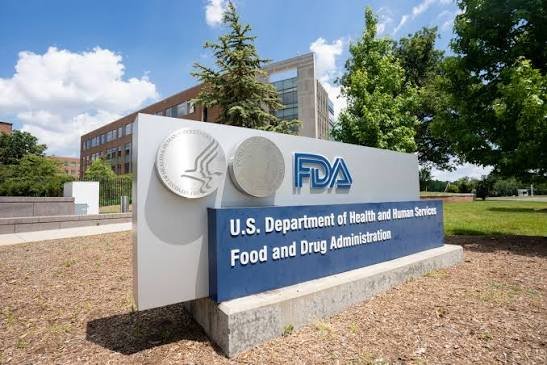
The Food and Drug Administration announced Monday that it is seeking public input on how the studies should be designed, including questions involving dosage, patient selection, safety monitoring and rules for stopping trials.
The development marks a significant step for psychedelic medicine in the United States, where researchers have increasingly examined substances such as ibogaine as potential tools for treating conditions that have proved difficult to address with conventional therapies.
But the development also comes with substantial safety concerns.
Ibogaine has been associated with potentially fatal cardiac arrhythmias and other serious health risks. The challenge facing researchers is therefore not simply determining whether the compound could have therapeutic effects but establishing whether those effects can be achieved within an acceptable safety framework.
What Is Ibogaine?
Ibogaine is a psychoactive compound derived from the roots of the African iboga plant.
It has attracted international attention because of reports that it may reduce opioid cravings and withdrawal symptoms.
Unlike conventional medicines approved for opioid use disorder, ibogaine produces powerful psychoactive effects and has significant safety concerns.
In the United States, ibogaine is classified as a Schedule I controlled substance.
The new government supported research effort does not mean that ibogaine has been approved as a treatment.
Instead, federal agencies are moving toward controlled clinical research designed to determine whether the compound can be studied safely and whether it shows sufficient therapeutic potential to justify further development.
Why the US Government Is Studying Ibogaine
The opioid crisis has created continued pressure for new approaches to addiction treatment.
Existing medications can be effective, but researchers and policymakers continue to search for additional options, particularly for people who do not respond adequately to current treatments.
Ibogaine has attracted attention because of research suggesting that a single administration could potentially produce effects on addiction related behavior and drug craving.
However, promising early findings are not enough to establish a treatment as safe or effective.
Clinical trials are required to determine appropriate doses, identify patients who could face unacceptable risks and measure outcomes under controlled conditions.
The US government is now moving toward that process.
FDA Opens Public Input on Trial Design
The FDA has opened a public docket seeking feedback on several aspects of the planned ibogaine research.
The agency is seeking input on dose selection, patient eligibility, safety monitoring, trial stopping rules and other elements of study oversight.
Public comments are due by November 20.
The process reflects the unusual safety profile of ibogaine.
Researchers need to establish strict safeguards before administering the substance in controlled studies involving people.
The regulatory process is therefore likely to focus heavily on cardiovascular monitoring and other potential complications.
Ibogaine and Opioid Addiction
One of the major areas of interest is opioid addiction.
Opioid use disorder can become chronic and difficult to treat, with relapse remaining a major challenge for many patients.
Researchers investigating ibogaine are interested in whether the compound can affect the biological and psychological processes associated with addiction.
Some previous research and observational reports have generated interest, but the evidence remains insufficient to establish ibogaine as an approved treatment.
The upcoming government funded research could provide more rigorous evidence.
That evidence will be particularly important because enthusiasm surrounding psychedelic medicine has grown faster than the clinical evidence for some individual compounds.
PTSD Is Another Major Research Target
The planned research also includes post traumatic stress disorder.
PTSD can develop following exposure to traumatic events and may involve persistent changes in mood, memory, arousal and behavior.
Current treatments include psychotherapy and medications, but not every patient responds adequately.
Researchers are therefore investigating new approaches.
Ibogaine’s potential effects on brain systems involved in learning, memory and emotional processing have contributed to interest in whether it could eventually have applications beyond addiction.
Again, however, clinical investigation is needed before any conclusions can be drawn about its effectiveness for PTSD.
The Biggest Challenge Is Safety
The most important issue surrounding ibogaine research is safety.
The FDA has previously warned about serious risks associated with the compound, including potentially life threatening irregular heart rhythms.
Researchers are also concerned about possible neurological and other toxic effects.
These risks make ibogaine fundamentally different from many conventional experimental medicines.
A successful clinical development program will therefore need to demonstrate not only potential therapeutic benefits but also robust systems for identifying patients at elevated risk.
Cardiac screening and monitoring are expected to be central considerations in future studies.
The safety question could ultimately determine whether ibogaine can progress from experimental research toward mainstream medical development.
$50 Million Federal Research Initiative
The new research effort follows a federal initiative announced earlier in 2026 that dedicated $50 million toward ibogaine research.
The program reflects a broader shift in the US approach to psychedelic medicine.
Government agencies have increasingly begun examining psychedelic compounds through formal research and regulatory frameworks rather than treating the entire field solely as an area of experimental or underground use.
Early stage ibogaine trials are expected to receive support through federal health research agencies, including the Advanced Research Projects Agency for Health and the National Institute on Drug Abuse.
The objective is to generate evidence under controlled scientific conditions.
A Turning Point for Psychedelic Medicine
The decision to advance government funded ibogaine research could have implications well beyond one substance.
Psychedelic medicine has expanded rapidly in recent years, with researchers investigating compounds for depression, addiction, PTSD and other conditions.
But regulatory approval requires much more than promising laboratory findings or patient testimonials.
Researchers must establish reproducible benefits, determine appropriate dosing and demonstrate that risks can be managed.
Government involvement could help produce the large scale clinical evidence needed to answer those questions.
It could also force the field to confront safety issues that have sometimes received less attention than potential therapeutic benefits.
What Could Happen Next?
The immediate next step is the regulatory and scientific planning process.
The FDA is collecting public feedback on how the clinical studies should be designed.
Researchers will then need to conduct controlled trials capable of measuring both benefits and risks.
If the studies produce positive results, additional clinical development could follow.
If serious safety problems emerge, the program could face significant restrictions or delays.
That uncertainty is important.
The announcement should not be interpreted as evidence that ibogaine is already an effective or approved treatment for opioid addiction or PTSD.
It means the US government is moving toward obtaining better evidence about whether the compound can be developed responsibly.
Why This Matters for Global Health
The ibogaine research program comes as health systems around the world continue to search for new approaches to addiction and mental health.
The opioid crisis remains a major public health challenge, while PTSD continues to affect military personnel, trauma survivors and other populations.
If future trials demonstrate that ibogaine can provide meaningful therapeutic benefits while its major risks can be controlled, the implications could be significant.
If the risks prove too difficult to manage, the research could still provide valuable information about psychedelic pharmacology and the biological mechanisms involved in addiction.
Either outcome would add to scientific understanding.
For now, the United States is entering a new phase of ibogaine research in which claims about its potential will increasingly be tested against formal clinical evidence.
That transition from experimental interest to government supported clinical research makes ibogaine one of the most closely watched developments in psychedelic medicine this week.
– Tamrah News Health