Reports of additional naval assets and personnel flowing into the Middle East have prompted close scrutiny from defence analysts across several capitals. The scale of the movements has been characterised by a number of retired senior officers as consistent with contingency planning rather than routine presence operations or simple rotational deployments.
The timing of these adjustments, coming in close proximity to the American electoral calendar, has added an unmistakable political dimension to what is otherwise a military calculus.Official statements from Washington continue to emphasise a dual message of readiness and restraint.
Spokespeople stress that all options remain under review while repeatedly underscoring a preference for diplomatic outcomes over further military escalation. The language is carefully calibrated to signal strength without closing the door on negotiation, a balance that has become increasingly difficult to maintain as regional tensions persist at elevated levels.Iranian responses have been equally pointed.
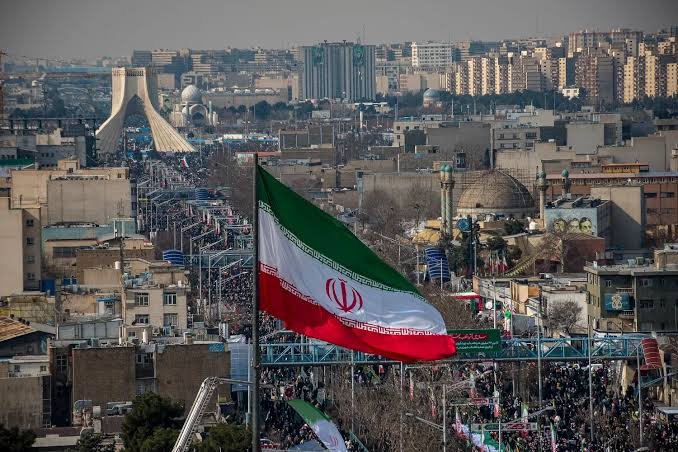
Officials in Tehran have issued explicit warnings against any further escalation and have claimed a state of preparedness to target critical infrastructure should they perceive an imminent threat. These statements form part of a broader pattern of public signalling designed both to deter and to shape the information environment surrounding the crisis. The exchange of warnings has become a regular feature of the strategic dialogue, even as quieter channels of communication are rumoured to remain open.
The simultaneous demands of the Ukraine theatre and the Gulf contingencies are stretching American strategic bandwidth in ways that were less visible only a year ago. Resources, attention and political capital are finite. Sustaining high levels of support for one conflict while preparing for possible contingencies in another creates unavoidable trade-offs. Military planners must now weigh the opportunity costs of every ship, aircraft and munition allocated to one region against the requirements of the other.
Regional partners are adjusting their own defence postures in real time. Gulf states that have long relied on the American security umbrella are quietly reviewing force structures, procurement priorities and bilateral arrangements. Some are accelerating diversification of suppliers and deepening ties with alternative partners. Others are investing more heavily in indigenous capabilities and layered air and missile defence systems. The cumulative effect is a gradual shift in the regional security architecture that may outlast the current crisis.
Analysts note that the current posture is not without precedent. Previous periods of heightened tension in the Gulf have produced similar surges in naval presence, followed by periods of de-escalation or prolonged standoff. What distinguishes the present moment is the concurrent strain imposed by the war in Europe and the domestic political calendar in the United States. These overlapping pressures create a more complex decision-making environment than in earlier episodes.The presence of additional carrier strike groups and supporting vessels expands the range of available options, from enhanced deterrence and freedom-of-navigation operations to potential strike packages if ordered. At the same time, it raises the risk of miscalculation. Dense maritime environments leave little margin for error, and the introduction of more assets increases the number of potential flashpoints.
Both sides are acutely aware of this dynamic.Diplomatic tracks continue to operate in parallel with the military signalling. Envoys and intermediaries remain active, testing the space for possible understandings on issues ranging from nuclear enrichment to regional proxy activity. Progress has been limited, yet the fact that conversations persist suggests that neither side regards military confrontation as the preferred outcome. The challenge lies in translating tactical restraint into durable political agreements.
For the armed forces involved, the operational tempo carries its own costs. Extended deployments strain personnel, maintenance cycles and readiness for other contingencies. Families of service members experience the cumulative effect of repeated separations. These human factors rarely feature in public strategic discussions, yet they influence the sustainability of any prolonged posture.
Looking ahead, much will depend on developments in the coming weeks. Electoral outcomes in the United States could alter the political incentives surrounding both diplomacy and force posture. Regional actors will continue to hedge, seeking to protect their interests regardless of the direction taken by larger powers. The interplay between military movements, diplomatic messaging and domestic politics will remain central to the evolving picture.In the end, the current adjustments reflect a broader reality of contemporary great-power competition: the need to manage multiple theatres simultaneously while preserving the capacity to respond to sudden crises.
Whether the present posture succeeds in deterring conflict or inadvertently raises the risk of it will be judged only in retrospect. For now, the region watches carefully as additional ships and personnel take up their stations, and as the statements of readiness and restraint continue to circulate on both sides.