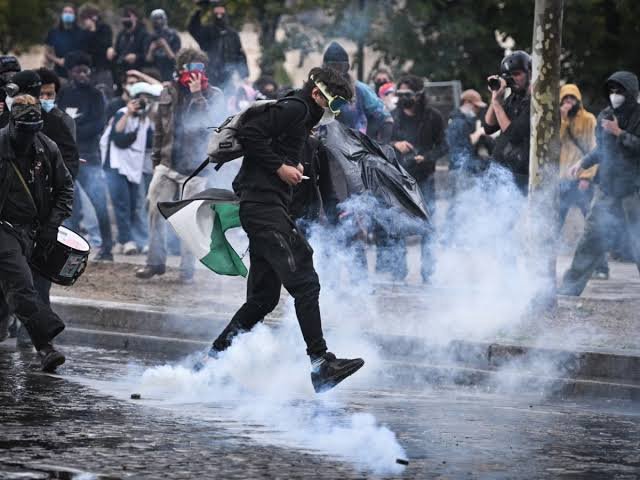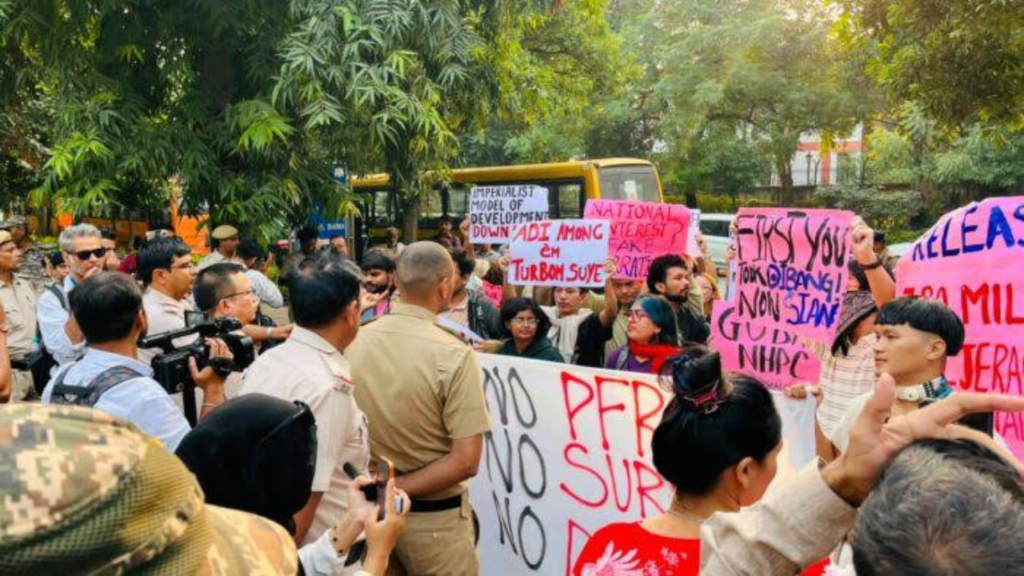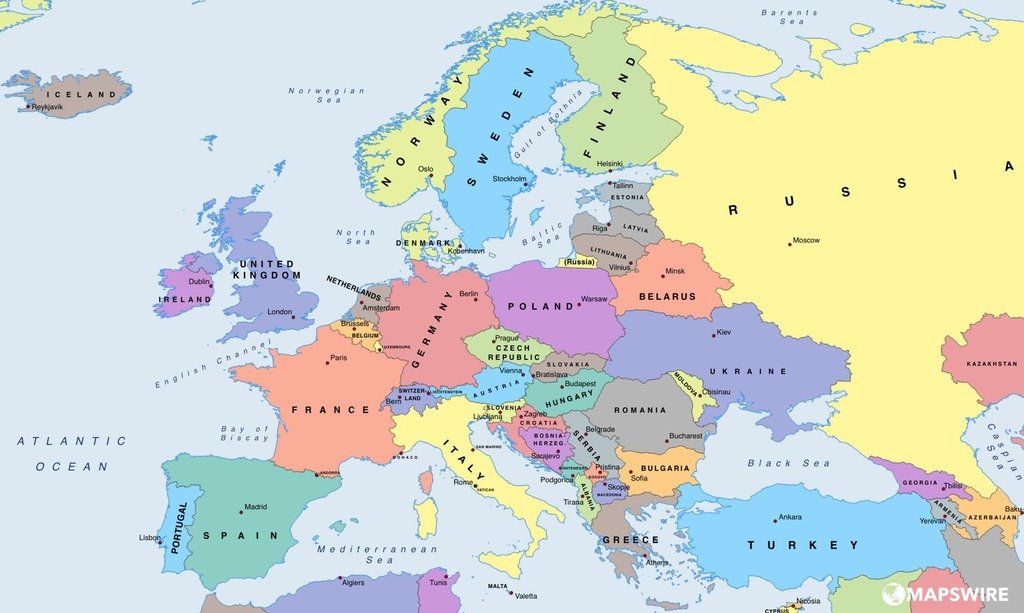
Authorities across Western Europe are bracing for a potential escalation of cost-of-living protests this weekend as demonstrators in France Germany Italy and the Netherlands prepare for larger gatherings. The underlying grievances center on persistent inflation elevated energy prices and the cumulative impact of economic pressures on household budgets. Previous smaller actions have already produced clashes in several cities.
Organizers have used social platforms to coordinate simultaneous events designed to maximize visibility and pressure on national governments. Police forces in the affected countries have increased readiness levels and in some cases pre positioned additional units. Local officials emphasize the right to peaceful assembly while warning that violence or property damage will meet a firm response.
The protests reflect broader dissatisfaction with the perceived inability of established parties to deliver tangible relief. Younger participants have been particularly visible in recent actions framing the issue as intergenerational inequity. Economic data continues to show uneven recovery with wage growth lagging behind price increases in key categories such as food housing and transportation.
European Union institutions have limited direct tools to address national cost-of-living concerns yet the coordinated nature of the demonstrations has drawn attention in Brussels. Some member state governments face simultaneous pressure from opposition parties seeking to capitalize on public frustration. The weekend’s events will test the capacity of local and national authorities to manage large crowds without further inflaming tensions.
Whether the protests remain largely peaceful or produce wider disorder will influence the political temperature in the weeks ahead. Governments are already reviewing possible short term measures to ease immediate pressures yet structural solutions remain elusive. The coming days will provide a clearer indication of how deeply the current wave of discontent runs.