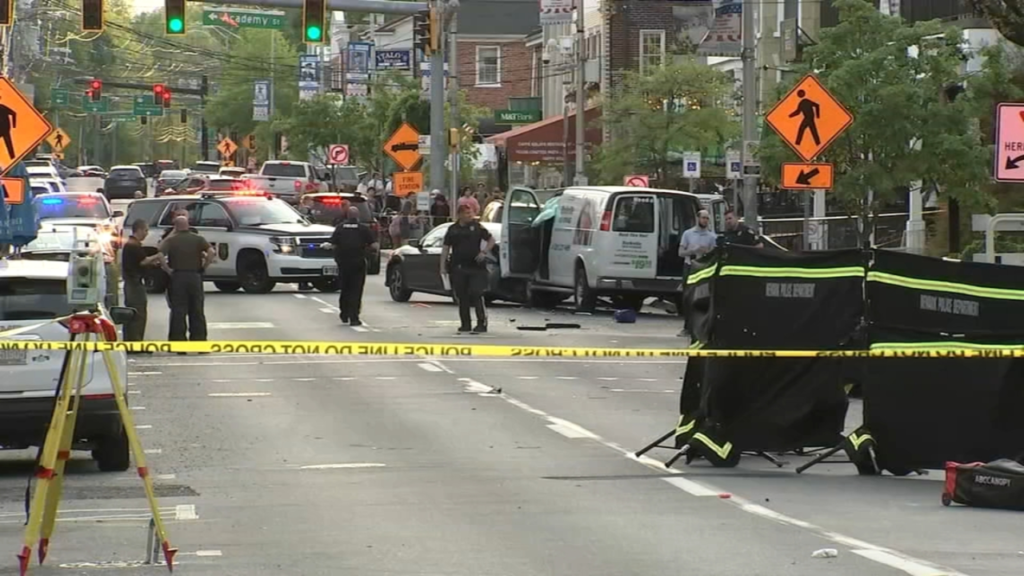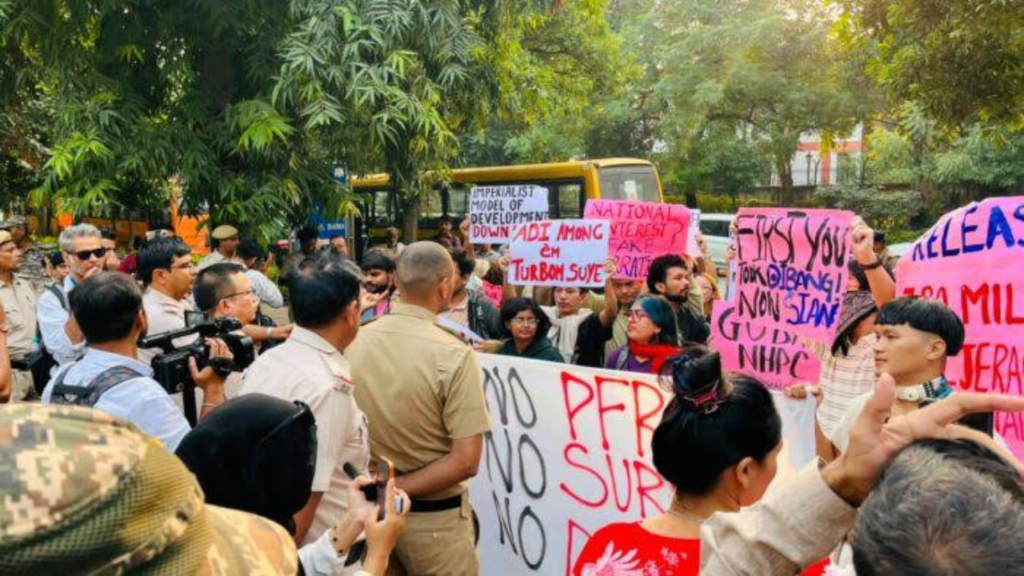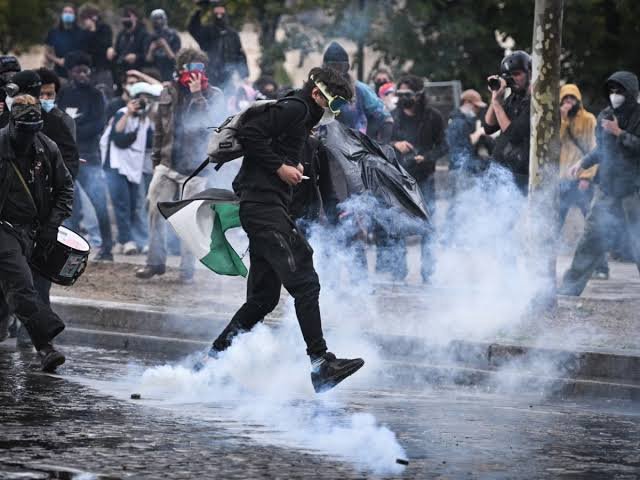
Violent riots have erupted in Switzerland with groups of protesters erecting barricades setting fires in the streets and directing attacks against police officers. Video footage circulating from the scenes shows flames rising near commercial areas and officers facing sustained hostility. The disorder represents a sharp escalation from earlier demonstrations that had remained largely contained.
Swiss authorities have responded by deploying additional riot police and attempting to clear key thoroughfares. Local officials describe the violence as unacceptable and have promised thorough investigations into the organizers and participants. The speed with which the unrest intensified has surprised many observers accustomed to Switzerland’s reputation for stability and orderly public life.
The underlying drivers appear linked to the same cost-of-living pressures and broader political dissatisfaction visible elsewhere in Europe. Smaller protests in recent days provided the initial spark yet a subset of participants shifted rapidly toward confrontation. Businesses in the affected zones have suffered broken windows and looting in some instances.
Regional and federal authorities are coordinating their response while monitoring for any signs of further spread. Neighboring countries watching the Swiss developments have quietly raised their own readiness levels. The images of barricades and fires in Swiss streets have already fueled wider discussion about the fragility of social peace across the continent.
The coming hours will determine whether the violence remains localized or expands. Swiss political leaders face the dual challenge of restoring order and addressing the grievances that provided the initial fuel. Public confidence in the country’s tradition of calm governance is being tested in real time.