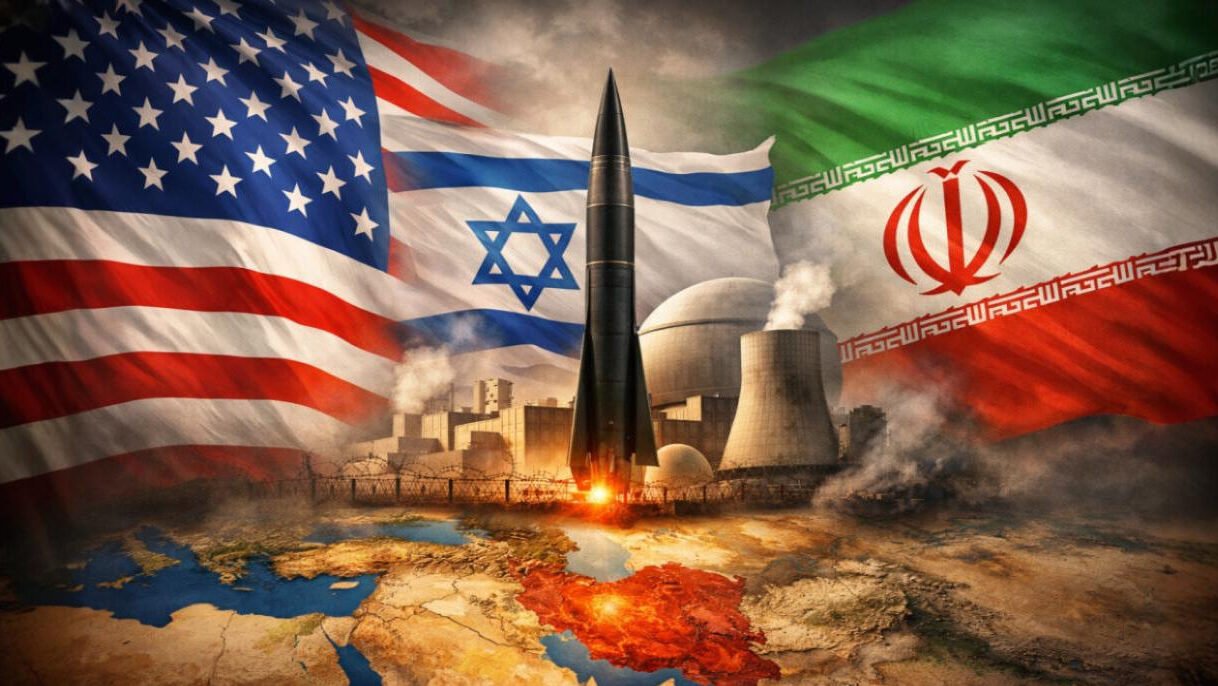
Reports attributed to Washington insiders and amplified across X claim that the United States and Israel are finalizing plans for coordinated strikes on Iranian targets to begin as soon as the weekend after the November 3 midterm elections. The accounts describe an opening phase focused on high-value military and nuclear-related sites. Officials have not publicly confirmed the timeline yet the volume and consistency of the private messaging have produced widespread discussion among regional analysts and diplomatic observers.
The Israeli election result that left Benjamin Netanyahu as caretaker prime minister without a clear governing majority has complicated the political backdrop. American planners must weigh the risks of operating alongside a government whose long-term composition remains uncertain. Nevertheless military coordination channels between the two countries continue to function at a high level. Intelligence sharing and joint contingency work have not paused despite the political deadlock in Jerusalem.
Iranian officials have responded with warnings that any new aggression would trigger responses across the region including against American assets and energy infrastructure. European capitals that previously supported limited pressure on Tehran now face the prospect of significant economic costs should shipping and oil flows be disrupted again. Private assessments circulating in Brussels and London describe the potential financial fallout in the tens of billions of euros.
Inside the United States the approaching midterms create a narrow political window. Supporters of decisive action argue that waiting beyond the election risks further Iranian reconstitution of capabilities. Critics caution that initiating major combat operations without broader international backing and without a clear end state could produce prolonged entanglement. The debate remains largely confined to classified briefings and closed-door sessions.
As the calendar advances toward early November the gap between public statements and private planning appears to be narrowing. Commercial shipping companies have already adjusted routes and insurance coverage in anticipation of possible escalation. Whether the reported timeline materializes or serves as strategic signaling will become clearer once the American electoral results are known and the Israeli political negotiations reach their next stage.