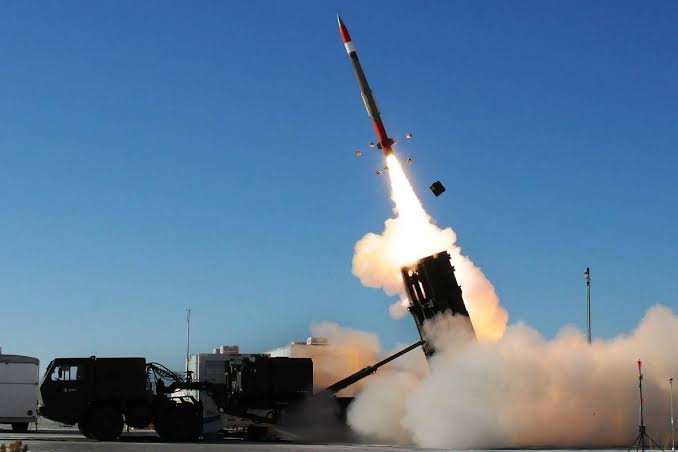
The United States State Department has approved the potential sale of Patriot Advanced Capability-3 Missile Segment Enhancement missiles to Ukraine in a package valued at roughly 2.1 billion dollars. The notification covers more than five hundred missiles according to reports citing the formal paperwork. Lockheed Martin will serve as the prime contractor for the production and delivery. The decision arrives at a moment when Ukrainian officials have repeatedly warned of intensified Russian ballistic missile campaigns.
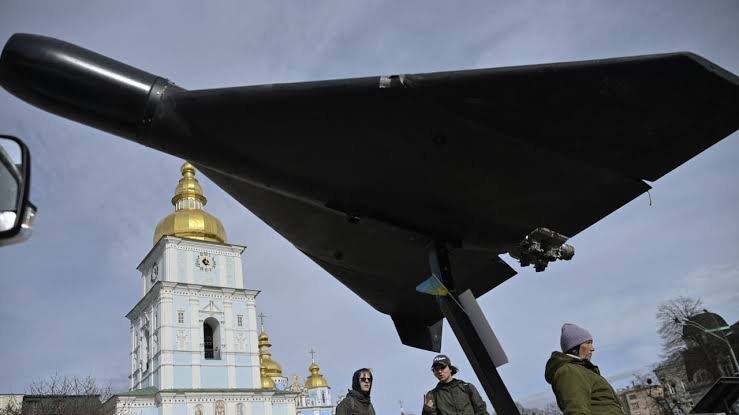
Ukrainian air defense units have relied heavily on Patriot systems to intercept high-value threats including the North Korean designed missiles that Russia has employed against cities and infrastructure. Previous deliveries have proven effective yet the sheer volume of Russian launches has depleted interceptor stocks. The new package aims to restore and expand that capacity. Delivery timelines remain subject to production schedules and final Congressional review yet the political signal of continued American commitment is immediate.
Russian forces have adapted their tactics in response to earlier Patriot deployments by saturating defenses with combinations of drones cruise missiles and ballistic weapons. Ukrainian commanders argue that only sustained resupply of advanced interceptors can maintain a credible shield over major population centers. The latest approval follows weeks of private discussions between Kyiv and Washington about the urgency of the shortfall. Public statements from Ukrainian leaders have expressed measured gratitude while continuing to press for additional systems.
In Washington the notification process allows Congress a standard period to raise objections. Supporters of the package argue that strengthening Ukrainian air defenses reduces the risk of escalation by limiting Russian ability to strike deep into the country. Opponents question the long-term sustainability of such transfers and the impact on American stockpiles. The debate reflects broader tensions over the scale and duration of support for Ukraine as domestic political priorities compete for attention.
On the battlefield the arrival of additional Patriots would alter the calculus for both sides. Russian planners would face higher costs for every ballistic salvo while Ukrainian civilians in targeted cities would gain a marginal increase in protection. The package does not resolve the wider imbalance in artillery or manpower yet it addresses one of the most visible and psychologically significant vulnerabilities. Implementation will depend on the speed of production and the absence of further political delays in the United States.