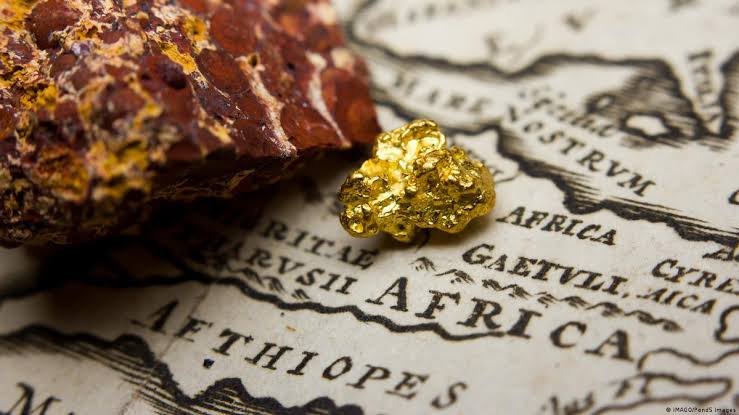
Record gold prices have ignited one of the largest mining booms in West African history pouring billions of dollars into new projects while simultaneously fueling violence environmental destruction and political tension.
At least 17 new gold mines have opened across the region since 2020 representing more than 4 billion dollars in investment. West Africa now supplies roughly 15 percent of global gold output. Exploration budgets in countries such as Côte d’Ivoire have risen even as global mining companies cut spending elsewhere.
The same price surge that attracts legitimate capital is also drawing armed groups. Jihadist organizations in the Sahel increasingly target artisanal and small-scale mining sites using extortion taxation and direct control of diggings to finance operations. Burkina Faso Mali and parts of Niger have seen the highest concentration of mining-related violence.
In Ghana one of Africa’s top producers the gold boom is driving deforestation and water pollution as illegal miners push deeper into forest reserves. Mercury and cyanide used in processing are contaminating rivers and farmland. Similar toxic legacies are appearing in Sudan where war has pushed hundreds of thousands into unregulated gold digging.
Governments are responding by tightening control. Ghana is weighing whether local companies should take over major mines when foreign leases expire. Mali and Burkina Faso have already moved to increase state ownership and revise mining codes. These steps raise both revenue potential and investor uncertainty.
The result is a high-stakes contest. Legitimate operators see long-term opportunity in a region with strong geological potential. Armed groups see easy cash. Local communities face poisoned water lost farmland and rising insecurity. National governments see a chance to capture more value from a resource that has often left their populations poor.
As gold remains near historic highs the pressure on Africa’s mines will only intensify. The next phase of the boom will be decided by whether security environmental rules and fair revenue sharing can keep pace with the rush for the metal.