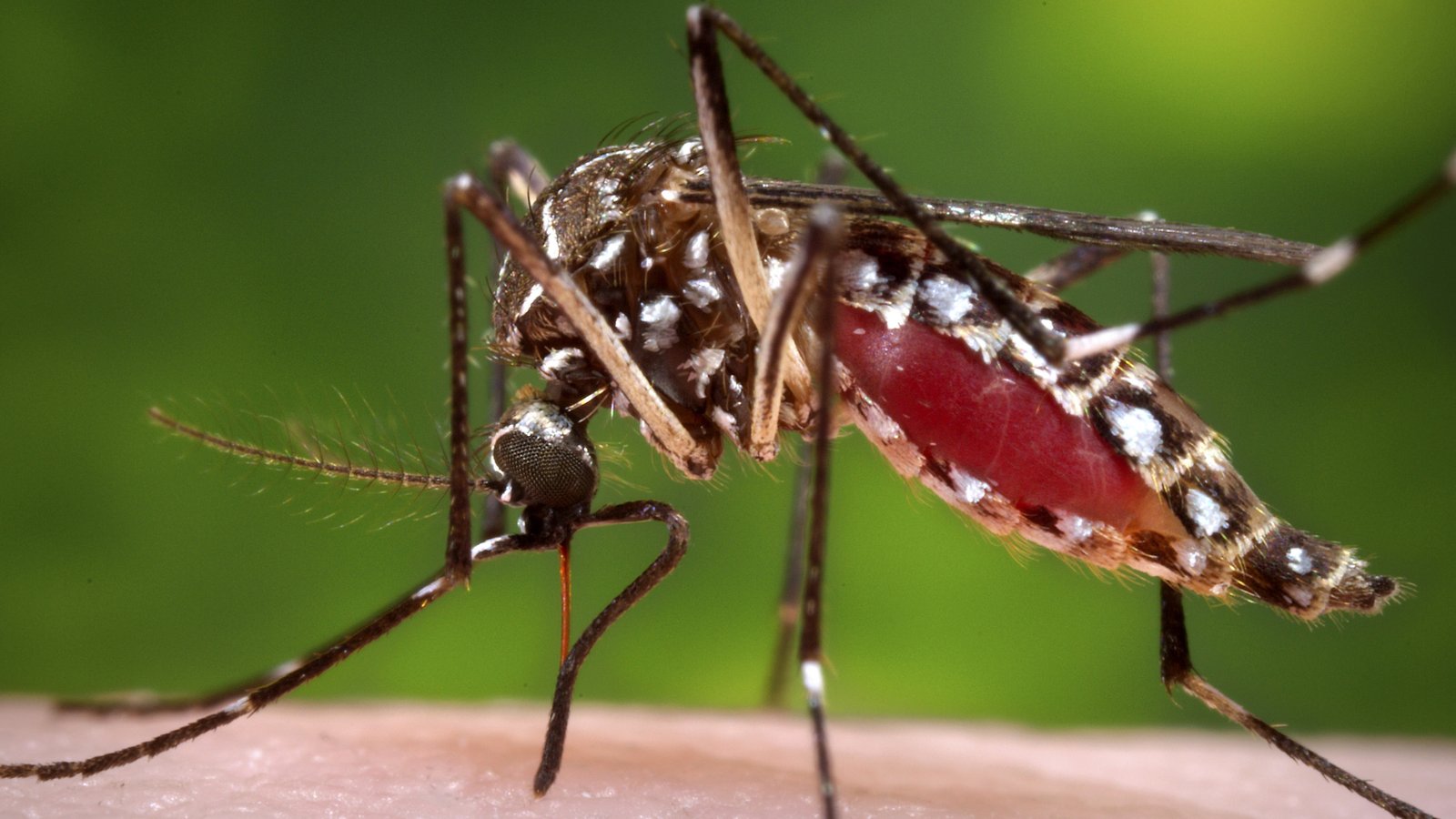
Bangladesh recorded its highest monthly dengue death toll of 2026 in October, with approximately 174 people dying from the mosquito-borne disease according to Directorate General of Health Services figures. The year’s cumulative death toll climbed to between 418 and 427 by early November, while hospital admissions surpassed 133,000 to 136,000. Health experts cautioned that significant relief is unlikely before December, even if the pace of deaths moderates somewhat in November.
October’s 174 fatalities surpassed September’s 148 and far exceeded the totals from earlier months. Daily bulletins from the health directorate showed continued high numbers of new admissions; one 24-hour period saw nearly 1,900 people hospitalized. Dhaka division consistently reported the largest share of cases, followed by other divisions including Khulna, Chattogram, and Barishal. Many patients arrived at hospitals only after developing severe complications such as shock and critically low oxygen levels.Doctors described a pattern in which delayed care-seeking contributes to higher mortality. At facilities such as Shaheed Suhrawardy Medical College and Hospital in Dhaka, staff reported treating dozens of new severe cases in single days. Medicine specialists noted that repeat infections and late presentation make clinical management more difficult. Women have accounted for a slight majority of dengue deaths this year according to available breakdowns.
The dengue surge coincides with what officials have described as the world’s worst measles outbreak, which has already killed more than 1,200 people in Bangladesh. The dual epidemics place additional strain on an already stretched public-health system. Hospitals managing dengue patients must simultaneously handle measles cases, limited bed capacity, and the logistical challenges of outbreak response.
Entomologists and public-health experts have pointed to gaps in mosquito-control implementation despite existing national guidelines. Urban and rural breeding sites remain widespread. One entomologist projected that transmission would continue through November with only modest decline, and that meaningful improvement was improbable before December. Earlier months of 2026 had shown relatively low dengue activity before the sharp rise beginning in late summer and accelerating through September and October.
Official data released in daily and monthly bulletins track both deaths and hospital admissions with reasonable consistency across sources. Recovery numbers are also substantial; more than 130,000 patients have been discharged after treatment. Nevertheless, the concentration of severe cases and the elevated case-fatality pattern in recent months have raised concern among clinicians.
Public messaging has emphasized early medical attention, elimination of standing water, and personal protective measures. In practice, many households continue to face environmental conditions that favor Aedes mosquito breeding. City corporations and local authorities have conducted spraying and awareness campaigns, yet experts argue that sustained, science-based control programs over multiple seasons would be required to reduce transmission substantially.
The October peak occurred against a backdrop of cumulative fatigue in the health system. Staff, supplies, and diagnostic capacity have been tested by successive waves of infectious disease. Dengue’s seasonal pattern in Bangladesh is well established, but the intensity of the 2026 season has exceeded recent expectations in terms of mortality.
International reporting has highlighted both the raw numbers and the human scenes inside crowded wards. Photographs of patients under mosquito nets, families attending the sick, and hospital corridors filled with beds illustrate the scale of the burden. Health officials continue to release updated tallies each day, allowing close tracking of the outbreak’s trajectory.
As November began, the immediate outlook remained cautious. While some decline in transmission is anticipated with seasonal changes, authorities and experts do not expect the outbreak to subside quickly. The combination of high residual cases, ongoing mosquito activity, and parallel measles pressure means hospitals are likely to remain busy for weeks. Long-term reduction in dengue impact will depend on more effective vector control, earlier patient presentation, and strengthened clinical capacity for managing severe disease.
The 2026 dengue season therefore stands as one of the more severe in recent years for Bangladesh when measured by monthly deaths. October’s record toll, the elevated year-to-date figures, and the expert consensus that December is the realistic horizon for clearer improvement together define the current public-health challenge. Continuous monitoring through the DGHS bulletins remains the primary source of official information as the outbreak continues.