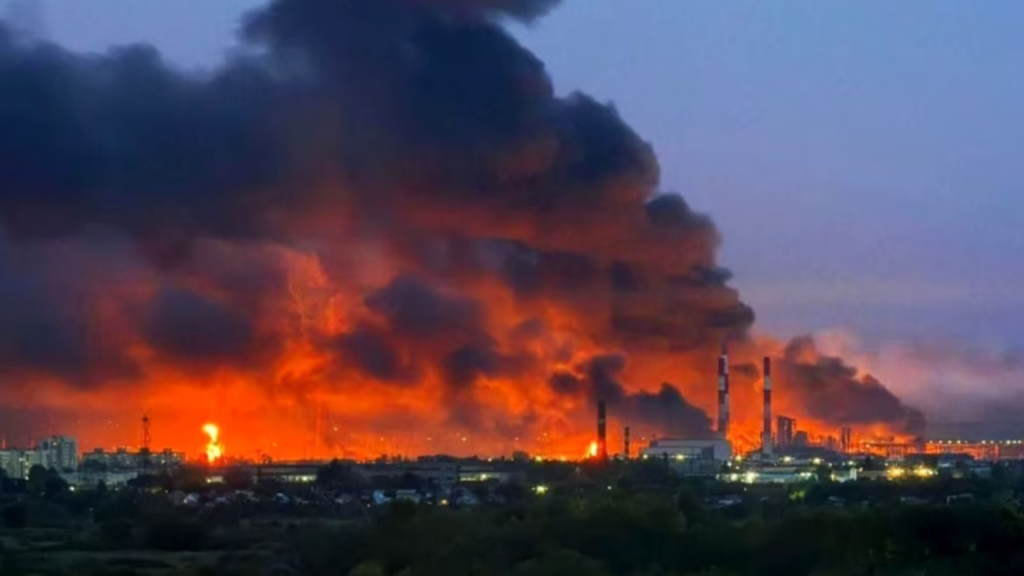
Ukraine resumed systematic long-range drone attacks on Russian oil refineries in late October and early November 2026, ending a roughly two-week pause. Over three consecutive nights, strikes hit facilities that together account for approximately 10 percent of Russia’s refining capacity and a similar share of its diesel output. The targets included the Lukoil-operated plant in Kstovo (Nizhny Novgorod region), the Novokuibyshevsk refinery in the Samara region associated with Rosneft, and the Bashneft-Novoil facility in Ufa.Russian regional authorities reported drone interceptions numbering in the dozens to more than a hundred in some areas, yet fires and damage occurred at the industrial sites. Ukrainian sources and open-source analysts described the operations as precise strikes aimed at processing units rather than indiscriminate attacks. Smoke and flames were documented at the Kstovo facility, one of Russia’s larger refining complexes.
President Volodymyr Zelensky framed the campaign as legitimate retaliation for Russian attacks on Ukrainian energy infrastructure. He stated that Ukraine would be prepared to halt strikes on refineries if Russia ceased attacks on Ukrainian energy systems and if additional air-defense systems, particularly Patriot batteries, were supplied. The remarks came amid reported friction with the United States over the continuation of deep strikes into Russian territory.
The cumulative effect of the recent wave and earlier campaigns has been significant. Market analysts and energy data firms have tracked repeated hits on a majority of Russia’s major refineries throughout 2026. Offline capacity has at times reached half of total refining potential, with refined product exports declining sharply compared with the previous year. Diesel availability and domestic fuel prices inside Russia have felt the pressure, while export volumes have fluctuated.
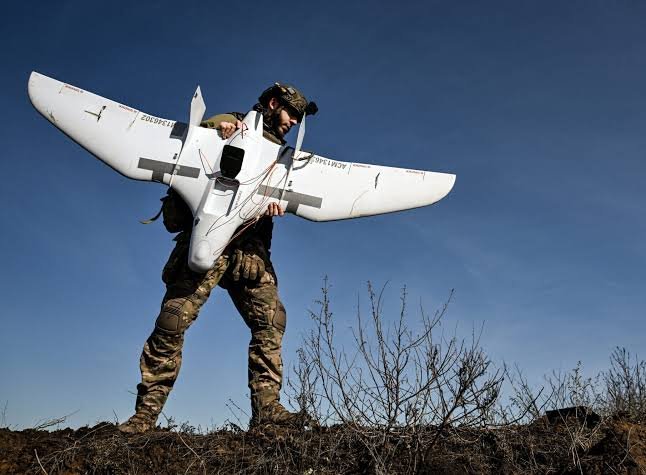
Ukrainian forces have refined the use of long-range one-way attack drones, improving range, accuracy, and the ability to saturate air defenses. Intelligence support and iterative design improvements have allowed repeated targeting of the same complexes. Russian air defenses claim high interception rates, yet the economic impact of even partial successes accumulates when critical units are damaged and require extended repairs.
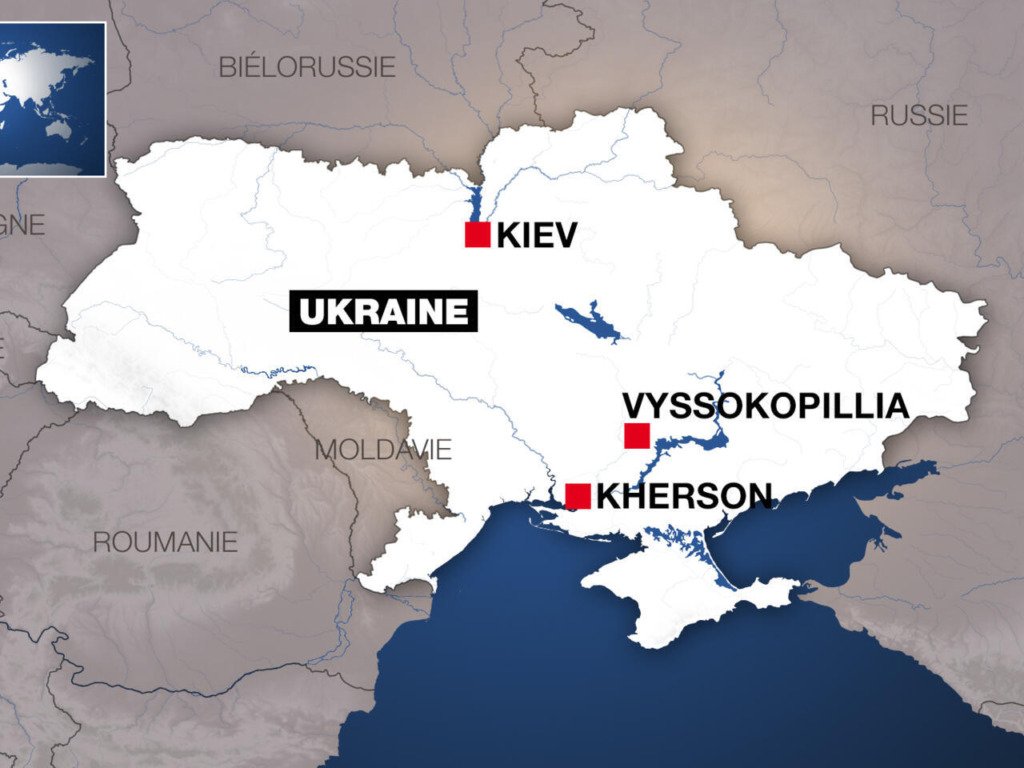
The timing of the renewed strikes coincided with the end of a localized humanitarian ceasefire in the Kherson region. Broader fighting continued on multiple fronts. Energy infrastructure has become a central theater of the war: Russia seeks to degrade Ukrainian power generation and distribution ahead of winter, while Ukraine aims to constrain Russian revenue and fuel supplies for military and civilian use.Independent verification of exact damage levels remains difficult in the immediate aftermath. Satellite imagery, commercial energy trackers, and local reporting provide partial confirmation of fires and reduced throughput. Russian officials typically acknowledge attacks on “industrial enterprises” while downplaying operational consequences. Ukrainian statements emphasize the strategic logic of forcing resource allocation toward air defense and repairs.
The campaign carries both military and diplomatic dimensions. Continued deep strikes demonstrate Ukrainian capacity to impose costs far from the front lines. They also risk complicating relations with partners concerned about escalation or global energy market stability. Zelensky’s public linkage of further restraint to the provision of additional air-defense assets underscores the transactional element in ongoing support discussions.
For global oil markets the practical result is added uncertainty around Russian refined product availability. Even temporary outages at multiple large plants tighten regional balances and support price levels. Shipping and insurance considerations around Black Sea and other routes remain elevated. As winter approaches, both sides appear committed to energy infrastructure as a primary pressure point.
The November strikes on Kstovo, Novokuibyshevsk, and Ufa therefore form part of a sustained attritional strategy rather than isolated events. Ukraine has shown it can resume and sustain such operations after pauses. Russia continues to adapt defenses and repair capacity. The net effect on the overall trajectory of the war will depend on the duration of outages, the effectiveness of repairs, and the broader military situation on the ground.