Coffee has moved from the morning mug into bathroom routines as one of the most accessible DIY beauty treatments of late 2026. Ground coffee, whether leftover from the pot or freshly ground, is being mixed with everyday ingredients to create scrubs and masks that users say leave skin feeling smoother and looking more refreshed. The trend appears across lifestyle sites, social platforms, and recipe roundups that highlight coffee’s mild abrasive texture and caffeine content.
A basic coffee-and-honey face pack is among the most shared versions. One common ratio uses one tablespoon of coffee powder combined with one tablespoon of honey. The mixture is stirred into a paste, applied to clean skin, left for 10 to 15 minutes, and rinsed with lukewarm water. Honey adds a sticky, humectant quality that helps the coffee particles adhere while providing a softer feel after rinsing. Another frequent variation pairs coffee with plain yogurt or curd and a pinch of turmeric for a cooling, slightly brightening effect aimed at dull or sun-exposed skin.
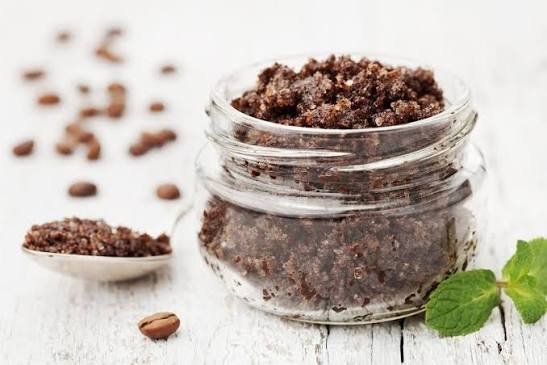
Body scrubs follow a similar logic but use larger quantities. A popular formula combines two tablespoons of coffee grounds with one tablespoon of sugar and one tablespoon of coconut oil or another carrier oil. The resulting coarse paste is massaged onto damp skin in circular motions, focusing on rough areas such as elbows, knees, and heels, then rinsed thoroughly. The oil component reduces the risk of excessive dryness while the dual granules of coffee and sugar provide mechanical exfoliation.
Proponents point to the dual action of physical scrubbing and the presence of caffeine, which some claim temporarily improves the appearance of skin texture and circulation. Recipes are typically presented as once- or twice-weekly treatments rather than daily habits, with reminders to patch-test and avoid the eye area. Users with sensitive or acne-prone skin are often advised to start with finer grounds or shorter contact times.
The appeal lies in accessibility. Most households already have coffee, and the supporting ingredients—honey, yogurt, oil, sugar—are inexpensive pantry staples. No specialized equipment is required beyond a small bowl and spoon. Content creators frequently film the mixing process and the immediate post-rinse “glow,” reinforcing the sense of an achievable at-home ritual. Seasonal roundups position these treatments as festive-season or winter prep options when skin can feel drier or duller.
Dermatology perspectives generally treat coffee scrubs as mild mechanical exfoliants rather than clinical actives. The physical particles remove surface dead cells; any additional benefits from caffeine remain modest and temporary for most people. Over-exfoliation remains a risk if the mixture is too abrasive or used too frequently, particularly on facial skin. Rinsing thoroughly and following with a moisturizer is standard advice in responsible tutorials.
Variations continue to appear. Some add rose water to adjust consistency for oilier skin, while others incorporate besan (gram flour) for a thicker paste aimed at controlling excess oil. Overnight or leave-on versions are less common because of the gritty texture. Most guidance keeps contact time short and emphasizes gentle massage rather than aggressive scrubbing.
In the broader context of 2026 beauty trends that favor “farm-to-face” and pantry-based solutions, coffee occupies a practical middle ground. It is aromatic, widely available, and produces a visible polishing effect that many find satisfying. The recipes require almost no investment beyond what is already in the kitchen, making them an easy entry point for people exploring DIY skincare without committing to specialized ingredients or equipment.
As with any homemade treatment, results vary by skin type, application technique, and consistency of use. The current wave of coffee-based masks and scrubs reflects a continuing preference for transparent, low-cost rituals that deliver an immediate sensory payoff—smoothness under the fingertips and a temporary brightness that photographs well under ordinary lighting. For many, that combination is sufficient reason to keep a jar of used grounds on the bathroom counter.