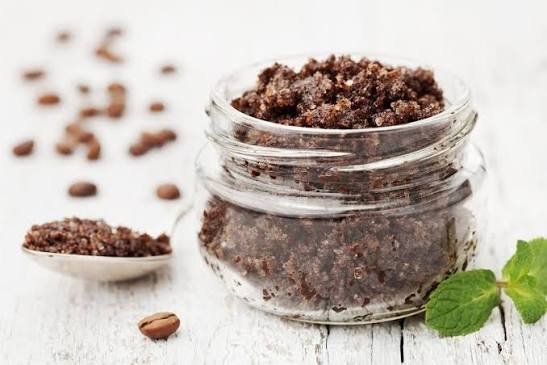
The do-it-yourself beauty trend continues to expand in 2026, driven by cost considerations, accessibility of ingredients, and widespread sharing of simple recipes across lifestyle platforms. Consumers are increasingly turning to pantry staples and basic kitchen items to create hair treatments, face masks, and at-home versions of salon services. Rosemary water, rice water or rice-protein masks, collagen-style overnight treatments, and oil-based infusions rank among the most frequently discussed approaches for achieving healthier-looking hair and glowing skin without professional prices.
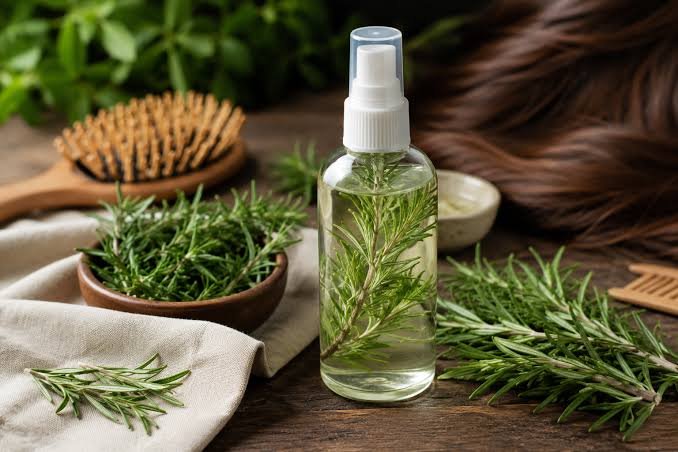
Rosemary has emerged as a particularly popular herb for hair and scalp care. Users prepare infusions by simmering fresh or dried rosemary sprigs in water, then applying the cooled liquid as a rinse or incorporating rosemary essential oil into carrier oils for scalp massage. Claims center on support for scalp health and the appearance of stronger hair. Similar preparations appear in face steams or gentle masks combined with oats and honey. The ingredient’s dual use for culinary and cosmetic purposes makes it easy to source and experiment with at home.
Rice-based treatments form another major category. Rice water, obtained by soaking or fermenting rice, is applied as a hair rinse or used in masks. More elaborate recipes blend cooked rice with fenugreek, herbal gels, aloe vera, castor oil, and coconut milk to create protein-oriented hair masks aimed at improving the feel of weak or damaged strands. Rice flour appears in facial masks mixed with milk or other liquids for mild exfoliation and brightening effects.
These methods draw on long-standing traditional practices while being repackaged for contemporary social-media audiences.
Collagen-style and hydrating masks round out the core trends. Homemade versions often rely on oils, glycerin, honey, yogurt, avocado, or commercial essences poured onto dry sheet-mask material or applied directly. Overnight treatments using castor oil and honey, or richer blends with egg yolk and dairy, are promoted for dry or mature-looking skin. The emphasis is on customizable, low-cost hydration rather than clinical collagen supplementation. Sheet-mask hacks that involve soaking inexpensive cotton sheets in personalized oil and essence mixtures offer an affordable alternative to branded products.
At-home salon alternatives extend beyond masks. Foam rollers, heatless curl methods, henna-based brow tints, and basic manicure kits allow users to replicate salon results. The broader category of “at-home salon kits” reflects a desire to maintain polished appearances while controlling expense and schedule. Many tutorials stress that results depend on consistent use and realistic expectations rather than dramatic overnight transformation.
Supporting ingredients frequently mentioned include honey for its humectant properties, yogurt or dairy for mild exfoliation and lactic acid, avocado and oils for emollience, and occasional additions such as turmeric, aloe, or essential oils for scent and perceived benefits. Recipes are typically presented with short ingredient lists, simple mixing instructions, and suggested leave-on times of 15 to 40 minutes. Safety notes commonly advise patch testing and caution with essential oils or potential allergens.
The popularity of these approaches is visible across lifestyle websites, recipe blogs, and video platforms. Content creators highlight the low financial barrier and the satisfaction of using recognizable household items. For many users the appeal lies equally in the ritual of preparation and in the sense of self-reliance. Seasonal variations appear as well; cooler months prompt richer, more occlusive masks, while lighter rinses suit warmer weather.
Critics of purely DIY methods note that results vary widely by individual skin and hair type, that some recipes lack the stability or preservative systems of commercial products, and that exaggerated claims can circulate easily online. Proponents counter that the transparency of ingredients and the ability to adjust formulas to personal needs outweigh those limitations for everyday maintenance. The market for supporting tools—measuring spoons, small mixing bowls, spray bottles, and reusable mask sheets—has grown alongside the recipe sharing.
Overall, the current DIY beauty wave centers on a relatively stable set of hero ingredients: rosemary for hair and scalp, rice preparations for strength and brightness, honey and oils for moisture, and simple mask bases that can be customized. These methods do not replace professional dermatological care for medical concerns, yet they occupy a large and active space in the everyday beauty routines of cost-conscious consumers seeking incremental improvements in the appearance of skin and hair. The continued volume of new recipe variations and tutorial content indicates that the trend retains strong momentum heading into the final months of 2026.