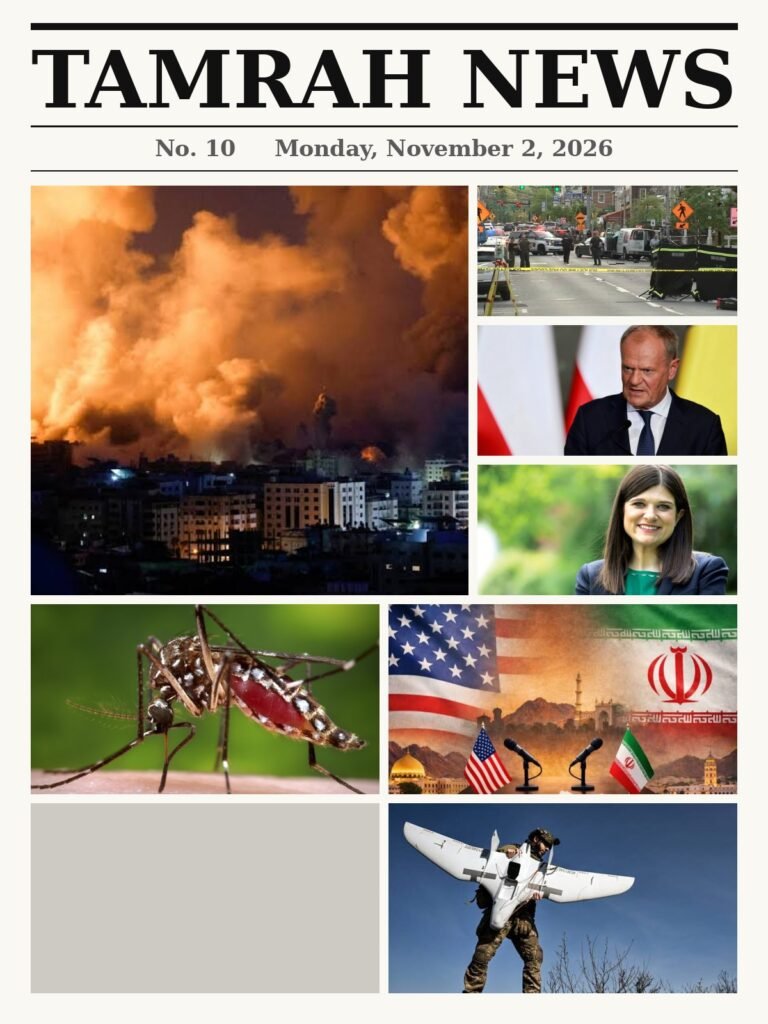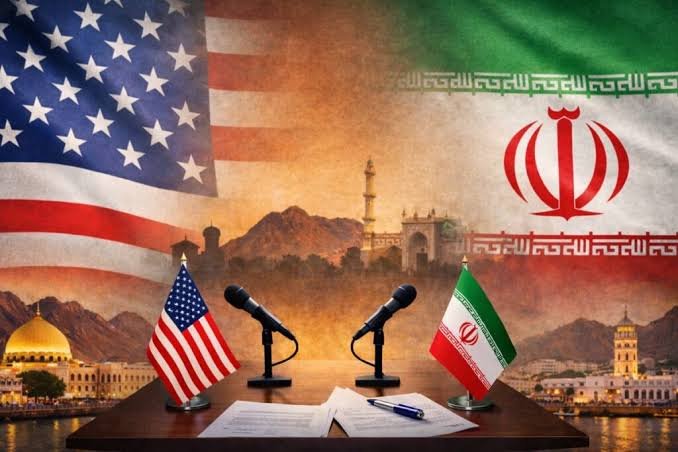
Indirect talks between the United States and Iran, mediated by Qatar, advanced in late October and early November 2026 even as both sides issued sharp warnings of possible renewed military confrontation. Iranian Foreign Minister Abbas Araghchi indicated that Tehran had shortened its proposed timeline for partially reopening the Strait of Hormuz from seven days to as little as two days if key conditions were met. The discussions focused first on restoring navigation through the critical waterway rather than immediately resolving deeper nuclear disagreements.
The Strait of Hormuz remains one of the world’s most important energy chokepoints. Before the current conflict it carried a substantial share of global oil and liquefied natural gas trade. A US naval presence and related restrictions have severely limited Iranian oil exports and broader commercial traffic through Iranian ports.
Tehran has conditioned any reopening on the lifting of the naval blockade, sanctions relief affecting oil sales, the unfreezing of certain assets, and an end to hostilities on regional fronts.US officials, including references to outreach by Vice President JD Vance, have shown interest in exploring a negotiated path while insisting that meaningful constraints on Iran’s nuclear program must form part of any lasting arrangement. Iranian sources have signaled willingness to allow limited inspections or adjust certain enrichment activities but have rejected demands that would permanently dismantle core nuclear capabilities. The sequencing dispute—whether Hormuz reopening and sanctions relief come first, or nuclear concessions—has been the central obstacle.
Araghchi stated that discussions were continuing without a final conclusion. Iranian security officials reiterated that normal transit would not resume until Washington addressed the conditions previously outlined. At the same time, President Donald Trump and other US voices have maintained that additional Iranian targets remain available should diplomacy fail. Both capitals have kept military forces postured for rapid escalation while allowing the Qatari channel to operate.
The talks represent one of the few sustained diplomatic tracks since the broader confrontation that began earlier in 2026. Regional actors, including the United Arab Emirates, have publicly expressed hope that a breakthrough could avert another round of large-scale fighting. Shipping companies and energy markets continue to price in elevated risk premiums for Gulf transit. Any credible progress on Hormuz would immediately affect global oil supply calculations and insurance rates.
Analysts note that mutual distrust remains high. Iran views the naval restrictions as economic warfare intended to force nuclear concessions. The United States and its partners see Iranian actions against shipping and regional infrastructure as unacceptable leverage. Previous interim understandings have collapsed, leaving both sides cautious about committing to sequential steps that could be reversed.
Nevertheless, the fact that talks entered a third day and that Iran publicly adjusted its timeline downward suggests some tactical flexibility. Qatari mediators have facilitated meetings in Doha and maintained contact with both delegations. Reports indicated that an Iranian team traveled for intensive consultations coordinated with Washington. Whether these contacts produce a limited, verifiable arrangement on navigation remains uncertain.
The broader strategic picture includes ongoing concerns about Iranian enrichment levels, regional proxy activity, and the risk of miscalculation in the Gulf. For commercial operators the practical question is simpler: when, and under what security guarantees, can tankers and cargo vessels again move freely through the strait. A two-day implementation window, if accepted and honored, would mark a tangible de-escalatory signal after months of disruption.
As of early November the negotiations had not produced a signed agreement. Iranian statements emphasized that the proposal remained on the table provided honesty from the American side. US commentary continued to stress the need for nuclear progress alongside any shipping arrangements. The parallel tracks of diplomacy and military readiness define the current phase of the conflict. Markets, regional governments, and shipping interests are watching closely for any concrete movement on the Hormuz file.