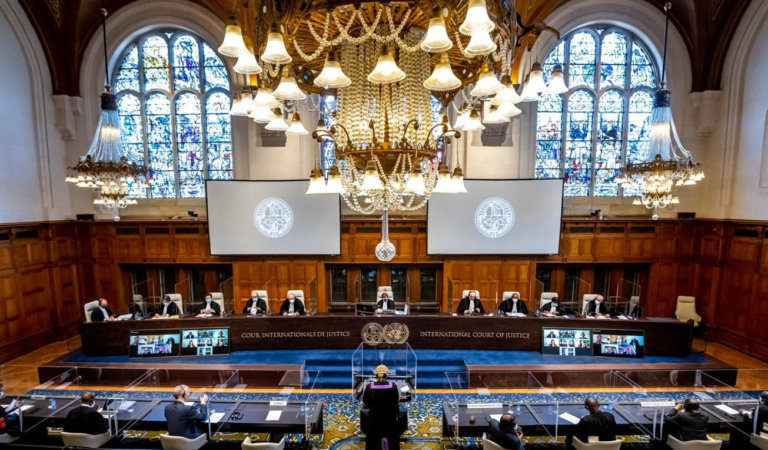
The International Court of Justice found by nine votes to six that Myanmar committed genocide against the Rohingya in 2017 and ordered reparations and safe return.
Tamrah News Desk | November 19, 2026
The Myanmar genocide ruling delivered on Thursday by the International Court of Justice found that Myanmar committed genocide against its Rohingya minority during the 2017 military crackdown, according to Al Jazeera. Judges voted nine to six at The Hague. Reuters reported it is the first time the court has held a state responsible for genocide under the Genocide Convention.
What the International Court of Justice Found
Court President Yuji Iwasawa said Myanmar
“has committed genocide against the Rohingya group in northern Rakhine state”
Al Jazeera reported. The court found that security forces killed thousands of civilians, carried out widespread sexual violence, used extreme violence against children and attacked people as they fled toward Bangladesh.
AFP reported that the evidence pointed to about 10,000 deaths during what the military called clearance operations. AFP added that judges found Rohingya villages were systematically destroyed and resettled by people who were not Rohingya.
According to Al Jazeera, the court concluded that the only reasonable inference was an intent to destroy a substantial part of the group. It also found that Myanmar failed in its duty to prevent genocide. Al Jazeera’s correspondent in The Hague listed four proven acts: mass killing, forced displacement, serious harm to the group and prevention of births.
Reparations and Safe Return Ordered
CNN reported that the court ordered Myanmar to allow the safe, voluntary and dignified return of Rohingya refugees, reunite families and return lost or damaged property. Al Jazeera said the court also listed help in finding the disappeared, proper burials, rehabilitation for those harmed and protection from persecution.
ICJ judgments are final and binding. However, a Reuters explainer noted the court has limited means of enforcement and cannot convict individuals or issue arrest warrants.
How the Gambia v Myanmar Case Reached Judgment
The Gambia filed the case on November 11, 2019, under the 1948 Genocide Convention, Al Jazeera reported. The court rejected all of Myanmar’s preliminary objections in 2022 and held hearings in January 2026.
Euronews reported that Myanmar’s representative, Ko Ko Hlaing, told judges at those hearings that the state could not stand by while terrorists acted freely. Myanmar has long said its forces were responding to attacks on police posts by Arakan Rohingya Salvation Army fighters, according to Al Jazeera.
Reaction to the Myanmar Genocide Ruling
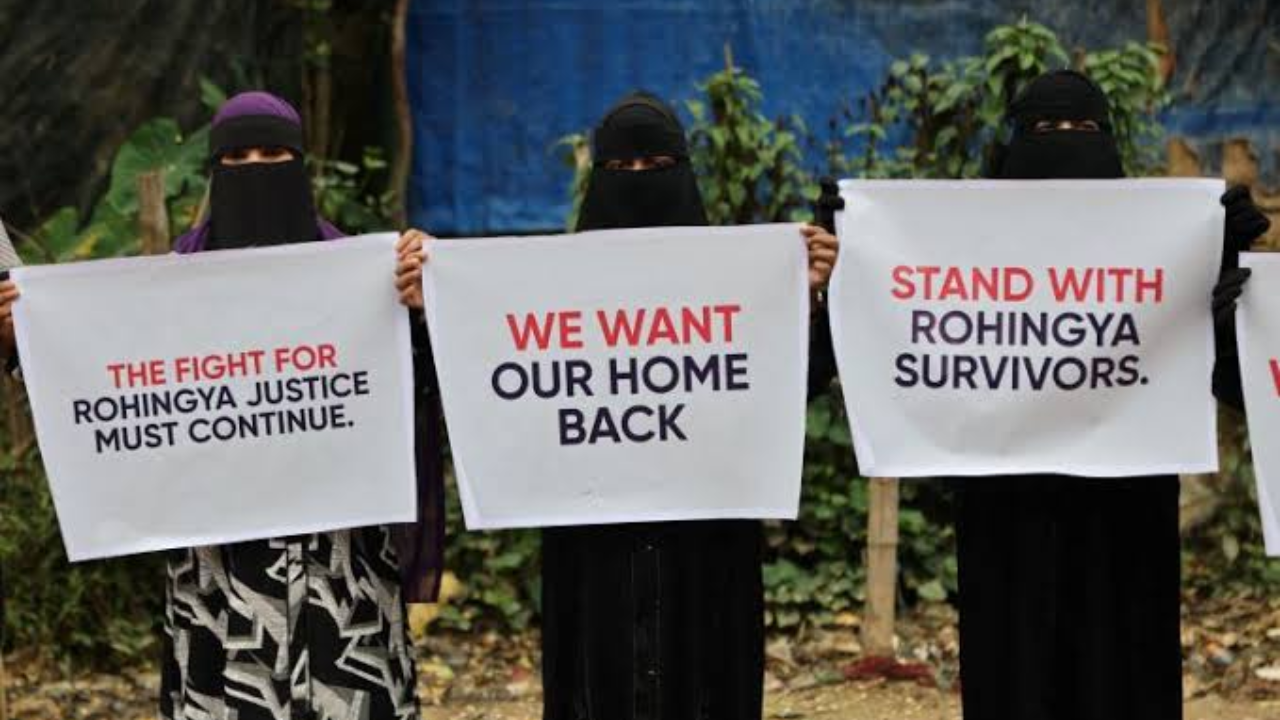
Reuters compiled reactions from rights groups and survivors. Amnesty International called the verdict
“a rare moment of justice for survivors, victims and their families.”
Rohingya activist Yasmin Ullah, a member of The Gambia’s delegation, said the world’s highest court had named what was done to her people. Human Rights Watch urged governments to press Myanmar’s junta to comply. British lawmakers Rushanara Ali and Jeremy Hunt called on the UK government to resume sanctions on the military and seek a UN Security Council resolution. AFP reported that a Rohingya activist in Yangon felt satisfied but feared a backlash against the community still inside Myanmar.
Will Myanmar Comply With the ICJ Genocide Verdict?
Euronews reported it is unclear whether Myanmar’s leaders will comply. AFP said there was no immediate reaction from Myanmar authorities, and that Myanmar has always denied genocide.
CNN reported that Min Aung Hlaing, who commanded the military during the crackdown and later seized power, has shown little interest in letting Rohingya refugees return. AFP stressed that the International Court of Justice ruled on state responsibility, not individual guilt. Radio Free Asia reported that the International Criminal Court prosecutor sought an arrest warrant for Min Aung Hlaing in November 2024. Readers can follow World News on Tamrah News.
Human rights lawyer Toby Cadman told Al Jazeera that what follows depends on whether the matter reaches the Security Council and whether sanctions follow.
Rohingya Refugees Remain Displaced
More than 730,000 Rohingya fled to Bangladesh during the 2017 crackdown, according to Al Jazeera. The UN says more than 1.3 million Rohingya remain displaced across South and Southeast Asia, including 1.2 million in camps in Cox’s Bazar, Al Jazeera reported.
Reuters reported that some Rohingya refugees will not return without full rights and citizenship. Myanmar has long treated the group as illegal migrants. See more on the refugee crisis and Bangladesh News from Tamrah News.
Conclusion
The Myanmar genocide ruling is a turning point for international law. The ICJ genocide verdict, brought by The Gambia, confirms Myanmar’s responsibility for the Rohingya genocide and orders reparations and return. Questions about enforcement, sanctions and Min Aung Hlaing now follow. Readers searching for the International Court of Justice Myanmar decision, Rohingya refugees in Bangladesh or the Gambia v Myanmar case can expect further developments in the coming days.
-Tamrah News