ICJ Set to Deliver Landmark Judgment in Rohingya Genocide Case Against Myanmar
The International Court of Justice is scheduled to deliver its judgment in The Gambia's genocide case against Myanmar, examining allegations concerning the treatment of the Rohingya minority and potential violations of the Genocide Convention.
Read full story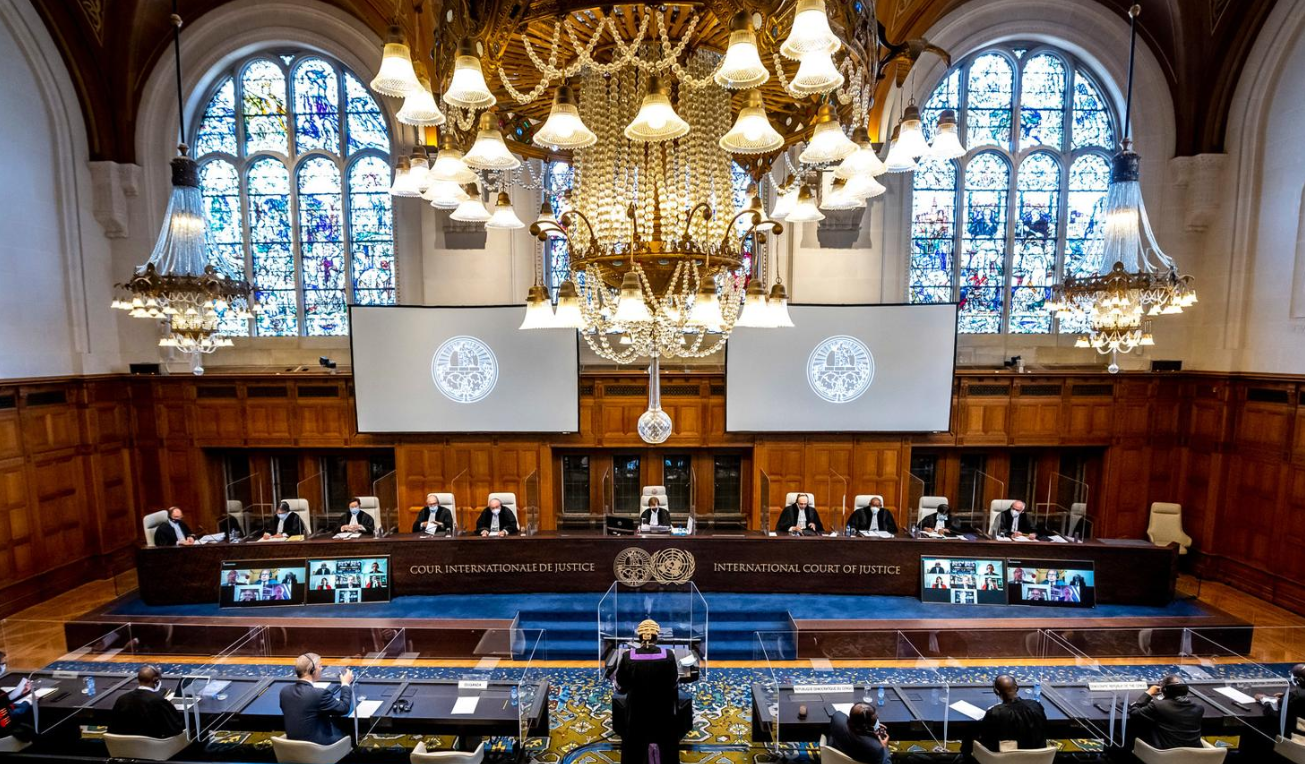
ICJ Set to Deliver Landmark Judgment in Rohingya Genocide Case Against Myanmar
The International Court of Justice is scheduled to deliver its judgment in The Gambia's genocide case against Myanmar, examining allegations concerning the treatment of the Rohingya minority and potential violations of the Genocide Convention.
The International Court of Justice (ICJ) is scheduled to deliver a landmark judgment on Thursday in a case brought by The Gambia against Myanmar over alleged violations of the Genocide Convention concerning the country's Rohingya Muslim minority.
The public hearing is scheduled to take place at 10:00 a.m. local time at the Peace Palace in The Hague, Netherlands. The proceedings represent one of the most closely watched international legal cases concerning alleged genocide in recent years.
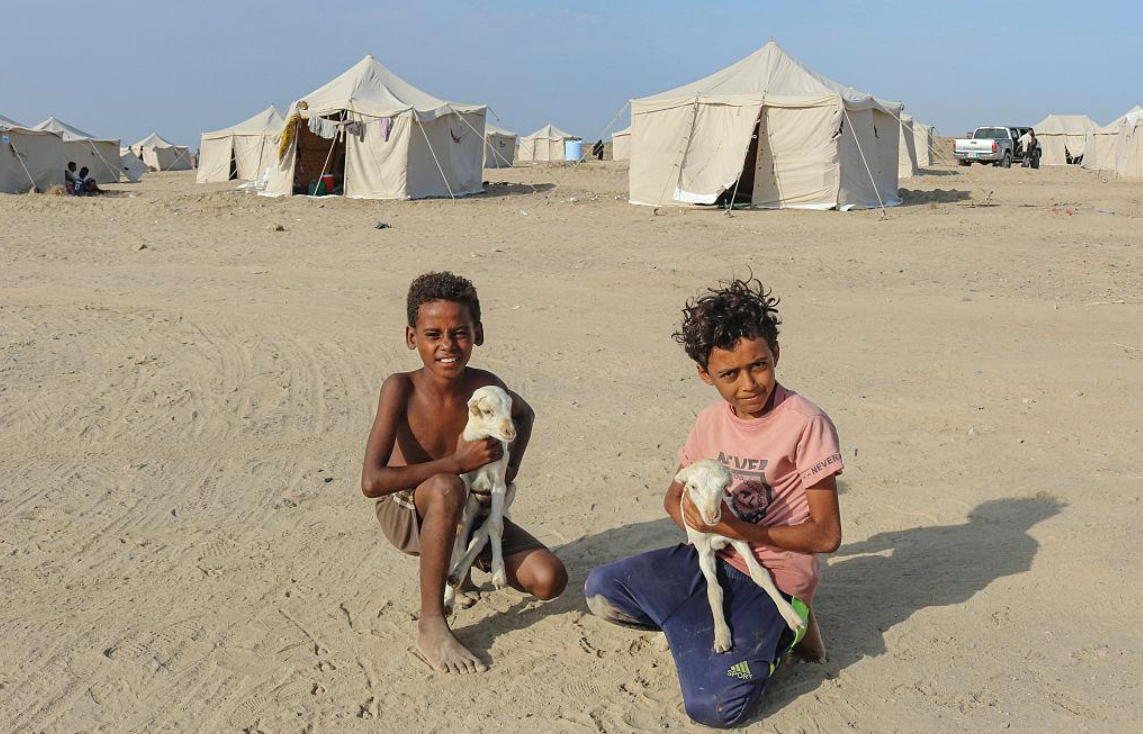
The Gambia filed the case in November 2019, accusing Myanmar of failing to fulfil its obligations under the 1948 Genocide Convention. The allegations relate particularly to military operations in Rakhine State in 2016 and 2017, during which hundreds of thousands of Rohingya fled across the border into Bangladesh.
Myanmar has denied committing genocide and has previously described its military operations as counterterrorism measures.
The ICJ confirmed its jurisdiction to hear the case in July 2022 and subsequently conducted extensive public hearings in January 2026. Eleven countries intervened in the proceedings, reflecting the wider international significance of the dispute.
The Gambia has requested that the court establish Myanmar's responsibility under international law and order appropriate remedies, including reparations and guarantees against future violations.
The judgment could have significant implications for the interpretation and enforcement of the Genocide Convention, particularly concerning the responsibility of states for alleged atrocities.
The court's decision is legally binding on the parties, although enforcing its rulings can present considerable practical challenges.