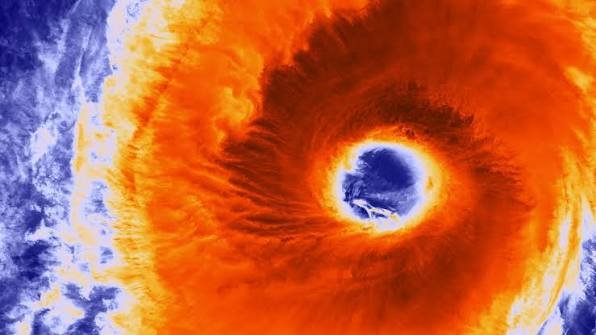
Typhoon Champi generated sustained winds of approximately 120 miles per hour and dumped heavy rain on Taiwan, resulting in at least one fatality and more than 170 injuries.
Taiwan’s Central Weather Administration warned that no part of the island would escape the storm’s effects. Coastal areas experienced towering waves while inland regions faced high winds and flooding risks. Authorities ordered the evacuation of nearly 1,300 people from mountainous zones and urged residents in coastal communities to remain indoors.
Schools and many offices closed across Taiwan. Domestic and international flight operations were severely disrupted. More than 900 flights were canceled, including all domestic services and hundreds of international routes. Major Japanese carriers including Japan Airlines and ANA grounded more than 100 flights, affecting thousands of passengers.
One person was killed after being swept away by waves on Liuqiu island. Injury totals climbed as the storm progressed, with emergency teams responding to incidents involving fallen trees, debris, and structural damage. Power outages affected thousands of households on nearby Japanese islands, including Ishigaki.
The storm’s center remained offshore but passed close enough to produce significant impacts. Forecasts indicated Champi would continue northwest, brush the southern Okinawa chain, approach the Chinese coast, and then turn toward Japan’s main island of Honshu. Rainfall totals in some areas were projected to approach three feet through the weekend.
Rail and ferry services were suspended in multiple locations. Ports limited operations and shipping traffic was restricted. Emergency crews worked to clear roads blocked by fallen branches and debris in the capital and other urban centers.
Regional aviation authorities coordinated closely as the storm’s track threatened further disruptions in Japan and eastern China. Airlines adjusted schedules and rebooked passengers where possible while monitoring updated meteorological guidance.
Taiwanese officials described the preparedness measures as extensive given the storm’s intensity. Shelters were opened and public transportation reduced. The gradual easing of the system was expected over the following 24 to 48 hours, although residual rain and wind would continue to pose hazards.
The economic cost of the flight cancellations, closed businesses, and infrastructure damage was expected to be substantial. Insurance claims and recovery efforts would extend well beyond the immediate passage of the typhoon.
Neighboring governments issued their own warnings as the forecast track became clearer. Maritime agencies advised vessels to avoid the storm’s path. The combination of high winds, extreme rainfall, and disrupted transportation created one of the more significant weather events of the season for the region.