US Flight Chaos: FAA Restores Operations After Nationwide Air Traffic Shutdown.
A major communications failure in the United States' air traffic control network disrupted thousands of flights, leaving passengers stranded at airports across the country. The Federal Aviation Administration (FAA) lifted its nationwide ground stop on November 13, but airlines warned that delays and cancellations could continue for several days.
Read full story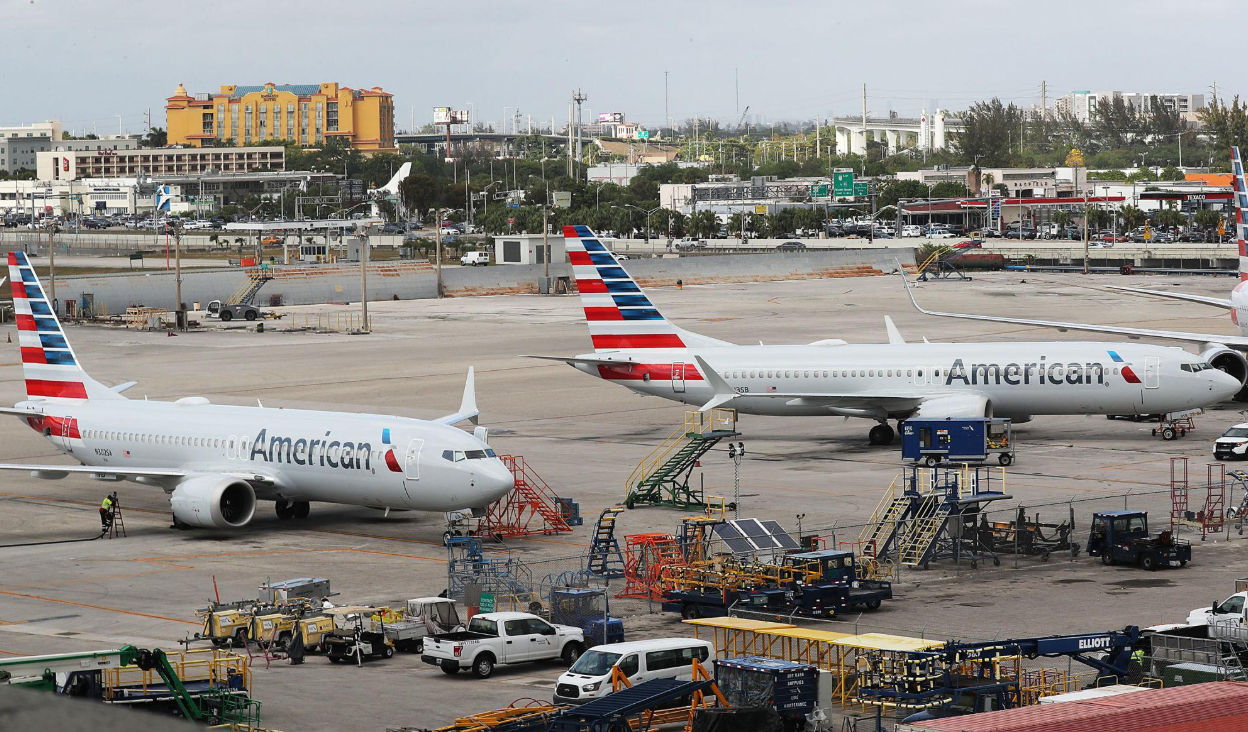
US Flight Chaos: FAA Restores Operations After Nationwide Air Traffic Shutdown.
A major communications failure in the United States' air traffic control network disrupted thousands of flights, leaving passengers stranded at airports across the country. The Federal Aviation Administration (FAA) lifted its nationwide ground stop on November 13, but airlines warned that delays and cancellations could continue for several days.
According to Reuters, nearly 10,000 flights had been cancelled by late Friday, while tens of thousands of passengers faced disruption. Major airlines, including Delta Air Lines, American Airlines and United Airlines, were among those heavily affected.
US Transportation Secretary Sean Duffy said the disruption began after instability affected radar and communications systems at air traffic control centres. He explained that network switches and routers became overloaded with data, producing inconsistent information that forced authorities to halt departures as a precaution.
Although the immediate problem was resolved and flights were permitted to resume, officials warned that restoring normal airline schedules would take time. Aircraft and crews were left out of position, creating additional operational challenges for airlines.
Homeland Security Secretary Markwayne Mullin said investigators had found no evidence of a cyberattack or rogue artificial intelligence system causing the incident, although the investigation remained ongoing.
The outage has renewed concerns about the condition of America's ageing air traffic control infrastructure. Duffy called for significant investment to modernise the system, arguing that outdated equipment and communications technology could leave the aviation network vulnerable to future disruptions.
The incident highlights how a technical failure in critical infrastructure can affect millions of travellers and disrupt one of the world's busiest aviation networks.