Cape Verde Election Could Produce First Woman President Since Independence
Voters in Cape Verde went to the polls on Sunday in a presidential election that could make former justice minister Joana Rosa the country's first female head of state since independence from Portugal in 1975. Rosa is challenging incumbent President José Maria Neves, who is seeking a second term, in a contest involving six candidates.
Read full story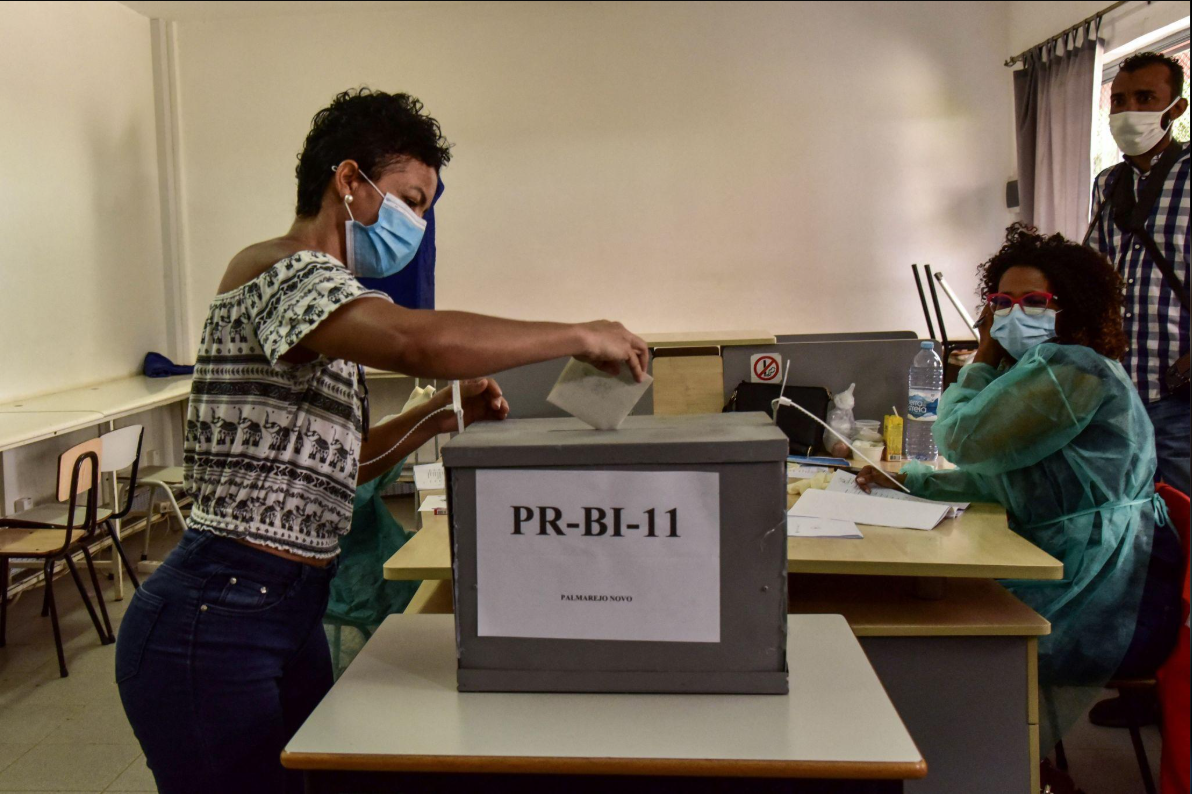
Cape Verde Election Could Produce First Woman President Since Independence
Voters in Cape Verde went to the polls on Sunday in a presidential election that could make former justice minister Joana Rosa the country's first female head of state since independence from Portugal in 1975. Rosa is challenging incumbent President José Maria Neves, who is seeking a second term, in a contest involving six candidates.
Voters in Cape Verde went to the polls on Sunday in a presidential election that could make former justice minister Joana Rosa the country's first female head of state since independence from Portugal in 1975. Rosa is challenging incumbent President José Maria Neves, who is seeking a second term, in a contest involving six candidates.
Polls closed on Sunday evening, but the available reports did not establish a final winner. Under the country's electoral rules, a second round will be held on November 29 if no candidate secures more than half of the votes.
Rosa is backed by the opposition Movement for Democracy, which governed the country for a decade before losing May's parliamentary election. Her campaign has focused on political accountability and the need for a stronger balance of power, while Neves has pledged to work across party lines on housing, healthcare, education, employment and wages.
Economic concerns were central to the campaign. Cape Verde, an Atlantic archipelago off West Africa with a population of about half a million, faces high living costs and limited employment opportunities. The lack of prospects has encouraged many young people to seek opportunities abroad. Nearly 77,000 citizens living overseas are registered to vote, representing a significant share of the electorate.
Although the president's role is largely ceremonial under Cape Verde's parliamentary system, the office carries constitutional responsibilities, including the power to veto legislation. The prime minister retains most executive authority.
The election is being watched as a test of the country's political balance and its record of competitive elections and peaceful transfers of power. A victory for Rosa would also mark a historic first for women's representation at the highest level of national leadership.