Two Israeli soldiers were killed and three others lightly wounded early Friday when two Palestinian gunmen opened fire on an Israeli military checkpoint near the city of Hebron in the occupied West Bank.The Israel Defense Forces identified the fallen soldiers as Staff Sergeant Ron Yonatan Roytman, 23, from Ashkelon, and Sergeant Yuval Shai Svilem, 20, from Hod Hasharon. Both served in the 775th Ari Battalion of the Home Front Command Search and Rescue Brigade.
Three additional soldiers sustained light injuries during the exchange.According to the IDF, the gunmen, both 27-year-old residents of Hebron identified as Hamouda and Firas Jua’ba, arrived at the temporary checkpoint near the Yehuda Junction, also known as the Farsh al-Hawa checkpoint, around 7:30 a.m. They were armed with an M16 assault rifle and a handgun and carried a large quantity of ammunition in their vehicle.
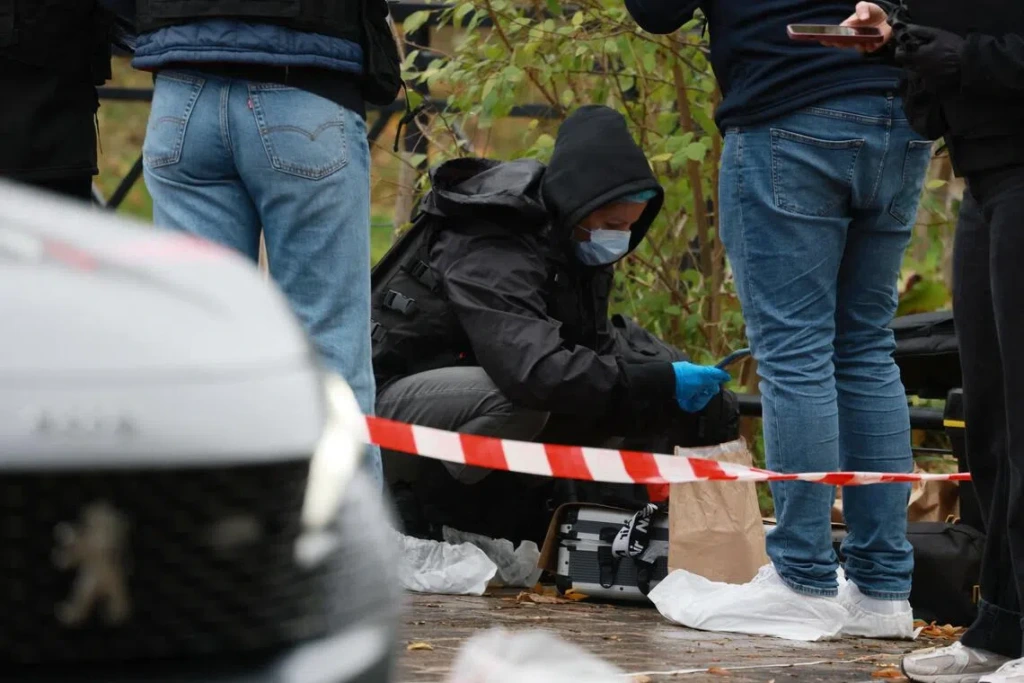
Military officials stated the attackers had been planning a major assault against Israeli civilians on Route 35 but opened fire at the checkpoint when they realized they could not reach the highway.An exchange of fire lasting approximately twenty minutes followed. Israeli forces eventually killed both gunmen. Video footage from the scene showed sustained bursts of gunfire and emergency responders struggling to extract the wounded while shooting continued.
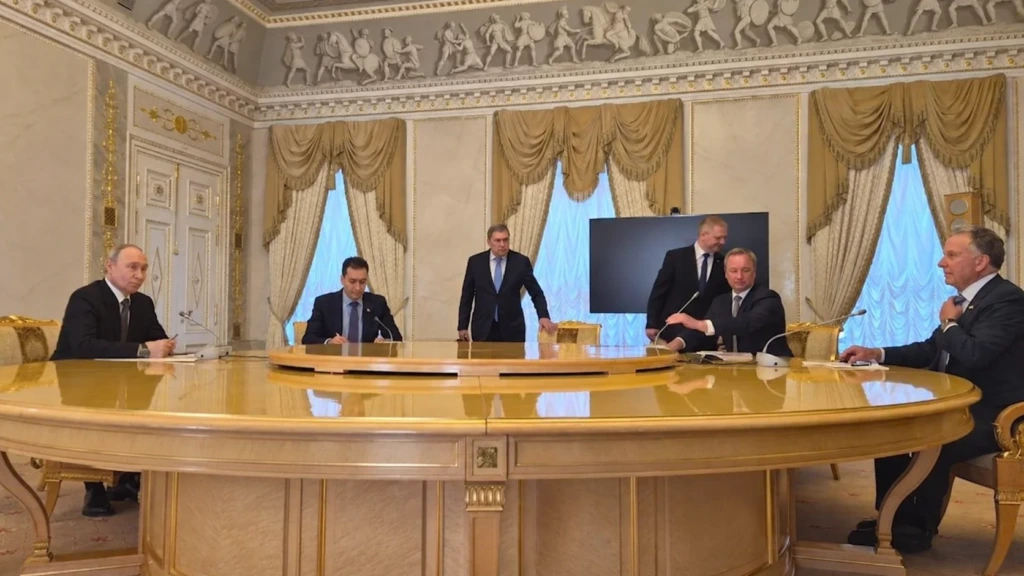
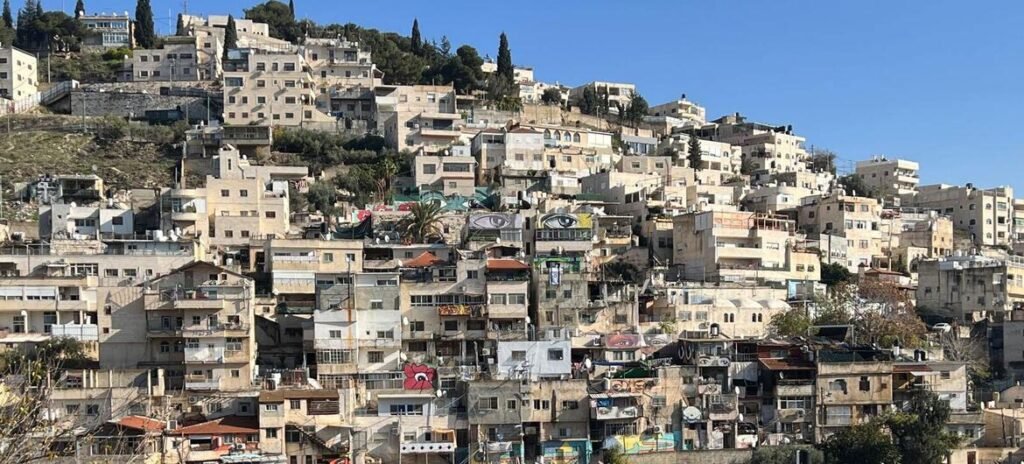
Magen David Adom reported five people injured overall, with two in critical condition at one point.Prime Minister Benjamin Netanyahu convened an emergency meeting of his security cabinet and top military and security officials immediately after the attack. He ordered the Israel Defense Forces to impose a full siege on the city of Hebron and to prepare for a complete closure of the West Bank, referred to by Israeli officials as Judea and Samaria, beginning Friday. Netanyahu later stated that the IDF would evacuate residents from the neighborhood in Hebron from which the gunmen emerged, conduct house-to-house searches for weapons, and destroy terrorist infrastructure.“We will act to destroy this place, to change it completely,” Netanyahu said in a video statement recorded during a visit to the area with Defense Minister Israel Katz. “We will evacuate the residents, go house to house, remove the weapons found there, and address and destroy all terrorist infrastructure.”By Friday afternoon, Israeli forces had begun demolitions in the Farsh al-Hawa area. Video obtained by media outlets showed an Israeli soldier telling residents of a housing complex they had five minutes to evacuate.
Netanyahu also indicated that homes built without permits along West Bank roads would be cleared, citing a threat to Israeli forces.The prime minister described the planned response as the largest military operation in the West Bank since Israel captured the territory in 1967. “The IDF is prepared to carry it out, and we will determine the timing, but it is on the way,” he said. National Security Minister Itamar Ben Gvir called for the dismantlement of the Palestinian Authority in response to the attack.The incident occurs four days before Israel holds general elections, the first since the Hamas-led attack of October 7, 2023.
Netanyahu has centered his campaign on security and his record as a hardliner. The attack and subsequent military measures are expected to feature prominently in the final days of campaigning. Hamas praised the shooting as heroic but did not claim responsibility.Israeli forces blocked Highway 35 in both directions and closed several surrounding villages. A manhunt for any additional suspects continued. Large quantities of weapons and ammunition recovered from the attackers’ vehicle supported the military’s assessment that a broader civilian attack had been planned.
Residents of Hebron faced immediate restrictions on movement. The full scale and duration of the West Bank closure remained under review as military planners assessed operational requirements. International observers noted the potential for significant disruption to daily life, commerce, and access to services across the territory.
The attack adds to a series of recent security incidents in the West Bank. Israeli officials framed the response as necessary to prevent further attacks and to dismantle infrastructure supporting terrorism. Palestinian sources described the measures as collective punishment. Further operational details and casualty updates were expected as the military campaign progressed.Families of the fallen soldiers expressed profound grief. One relative described the loss as the taking of a flower.
Emergency medical teams continued treating the wounded at hospitals inside Israel. The IDF maintained a heightened state of alert across the West Bank as the lockdown measures took effect.This sequence of events underscores the volatile security environment in the territory on the eve of national elections. Netanyahu’s government presented the ordered operation as a decisive step to restore deterrence. The coming days will determine the precise scope of the military actions and the impact on the civilian population in Hebron and beyond.